


Protein powder can help manage hormonal weight gain by stabilizing blood sugar, reducing cravings, and preserving muscle mass during hormonal fluctuations from PCOS, menopause, or thyroid issues. The right protein supports your metabolism when hormones are working against you, making it easier to maintain a healthy weight despite hormonal challenges.
If you've been struggling with unexplained weight gain despite eating well and exercising, you're not alone — and you're not imagining it. Hormonal shifts create real metabolic changes that make traditional weight management advice feel useless. According to the American College of Obstetricians and Gynecologists, up to 10% of women of reproductive age are affected by PCOS, which often includes insulin resistance and weight gain around the midsection.
The good news? Strategic protein intake can help rebalance the equation by supporting stable blood sugar, reducing hormone-driven cravings, and maintaining the muscle mass that keeps your metabolism strong.
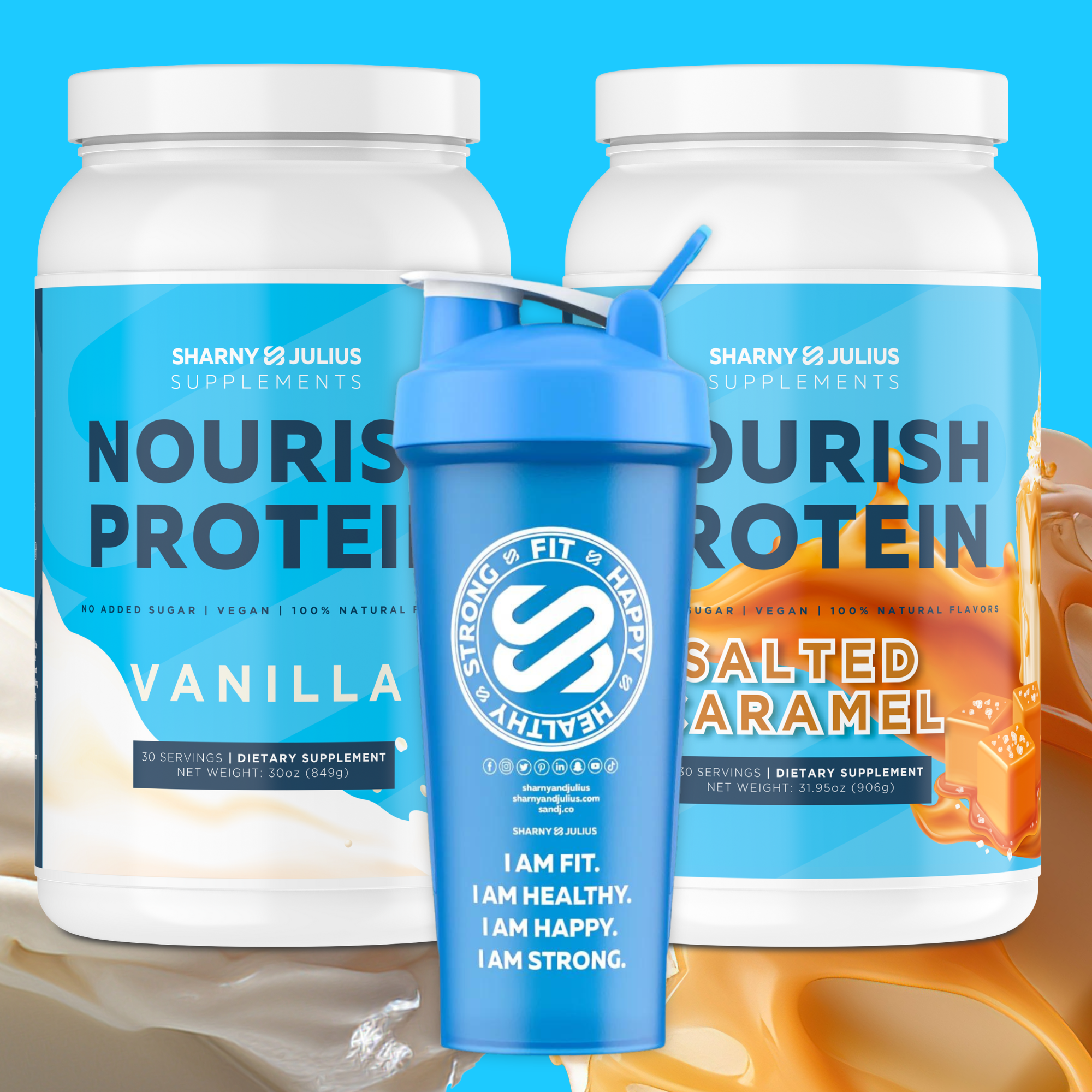
S&J Nourish™ Plant Protein
20g protein · All 9 EAAs · Free from all 9 allergens · NSF Certified
Why Hormonal Health Matters for Managing Hormone-Related Weight Gain with Protein
Hormonal weight gain happens when fluctuating estrogen, progesterone, insulin, or thyroid hormones disrupt your body's normal fat storage and hunger signals. During menopause, perimenopause, or with conditions like PCOS or hypothyroidism, your body becomes more likely to store fat — especially around the midsection — while simultaneously losing muscle mass.
This is where protein becomes crucial. Higher protein intake helps counteract these changes by triggering satiety hormones like GLP-1 and PYY, which reduce cravings and help stabilize blood sugar. According to the Journal of Clinical Investigation, protein intake of 25-30g per meal can improve insulin sensitivity by up to 30% in women with PCOS. Protein also preserves lean muscle mass during hormonal shifts, preventing the metabolic slowdown that makes weight gain accelerate. When your hormones are driving fat storage, adequate protein becomes your metabolic anchor — keeping hunger manageable and your metabolism active even when everything else feels out of control.
What to Look for in a Protein for Managing Hormone-Related Weight Gain
When choosing a protein powder for hormonal support, focus on these key factors:
1. Complete amino acid profile: Look for all 9 essential amino acids to support muscle preservation and metabolic function during hormonal changes.
2. Allergen-free formula: Hormonal imbalances often increase inflammation, so avoid common triggers like dairy, soy, and gluten that can worsen symptoms.
3. Blood sugar stability: Choose options with zero added sugars or artificial sweeteners that can spike insulin and worsen hormonal weight gain.
4. Digestive comfort: Hormonal fluctuations often affect digestion, so prioritize proteins that won't cause bloating or stomach upset.
5. Third-party testing: NSF certification ensures purity and label accuracy — crucial when your body is already dealing with hormonal stress.
Our S&J Nourish™ plant-based protein delivers 20g of pea protein isolate with all 9 essential amino acids and a strong BCAA ratio that matches or exceeds whey. It's free from all 9 major allergens, contains zero sugar and zero artificial sweeteners, and 97% of customers report zero bloating. The smooth, creamy texture mixes instantly with just water, making it easy to incorporate into your daily routine.
Hormonal Health and Managing Hormone-Related Weight Gain with Protein FAQ
Can protein help hormonal weight gain?
Yes, protein can significantly help manage hormonal weight gain by stabilizing blood sugar, triggering satiety hormones, and preserving muscle mass during hormonal fluctuations. Higher protein intake (25-30g per meal) helps counteract the insulin resistance and increased fat storage that often accompany PCOS, menopause, and thyroid issues.
What protein is best for hormonal weight?
Plant-based proteins like pea protein are often best for hormonal weight management because they're free from dairy and soy, which can worsen hormonal imbalances in some women. Look for complete proteins with all essential amino acids, zero added sugars, and third-party testing for purity.
How to lose weight caused by hormones?
Focus on stabilizing blood sugar through higher protein intake (20-30g per meal), reducing refined carbs, managing stress, and maintaining muscle mass through strength training. Addressing the root hormonal imbalances while supporting metabolism with adequate protein creates the best environment for sustainable weight management.
Find Your Protein
When hormones are working against your weight goals, you need a protein that works with your body's needs. Nourish™ delivers 20g of complete plant protein with all 9 essential amino acids, free from all 9 major allergens, and NSF certified for purity — plus it triggers satiety hormones that help reduce the cravings and blood sugar spikes driving hormonal fat storage.
Shop Nourish