


Plant-based protein powder with complete amino acid profiles can help counteract perimenopause weight gain by preserving metabolically active muscle tissue during hormonal decline. The best options provide 20+ grams of complete protein per serving to offset the muscle loss that drives metabolic slowdown during this transition.
If you're researching protein powders for perimenopause weight management, you're asking exactly the right question. The reality is that declining estrogen doesn't just affect hot flashes—it fundamentally changes how your body builds and maintains muscle, which directly impacts your metabolism and weight distribution.
According to the North American Menopause Society, women can lose up to 1.5% of their muscle mass annually during perimenopause, creating a cascade effect where less muscle means slower metabolism, making weight gain almost inevitable without targeted intervention.
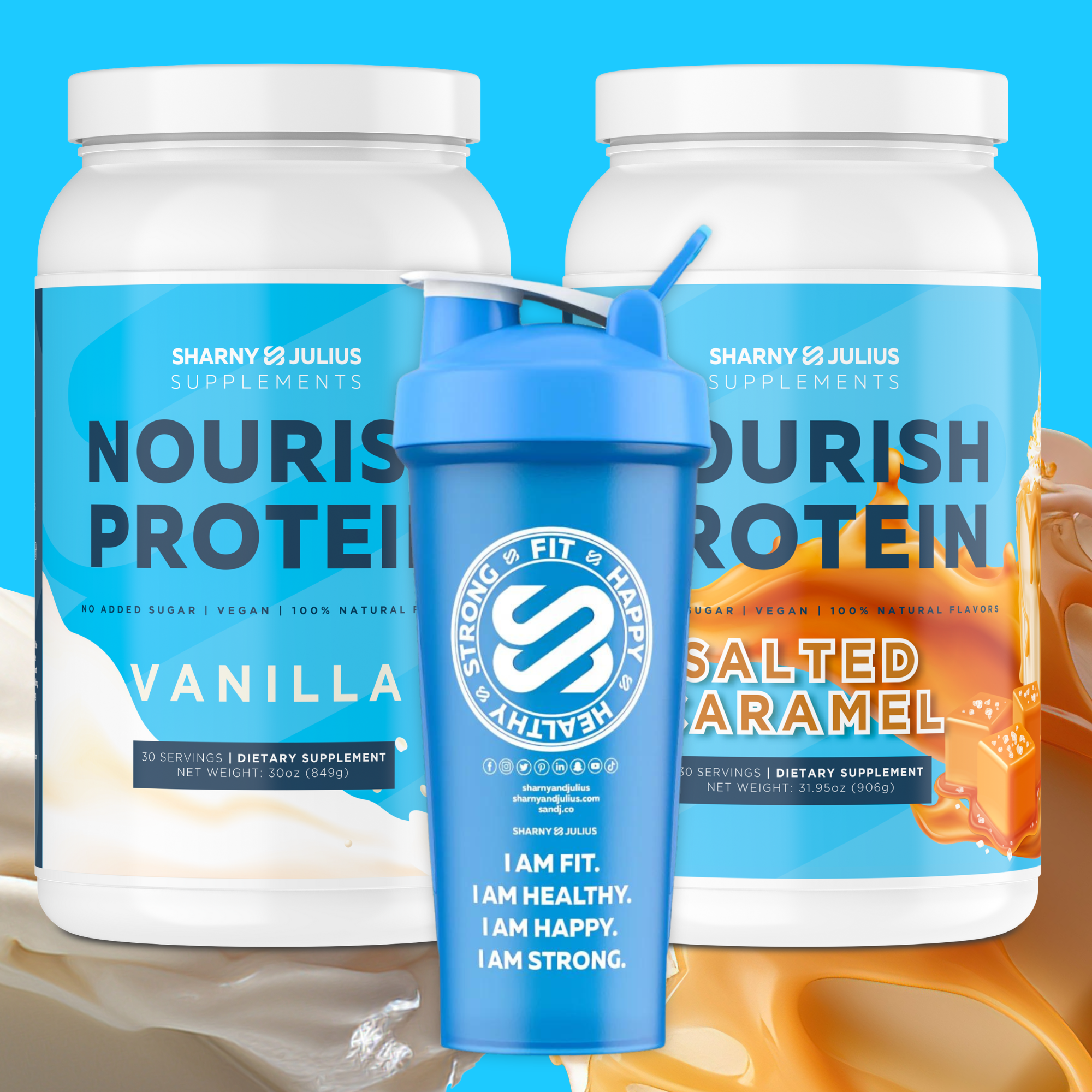
S&J Nourish™ Plant Protein
20g protein · All 9 EAAs · Free from all 9 allergens · NSF Certified
Why Protein Powder Matters for Perimenopause Weight Gain
Perimenopause weight gain isn't just about calories—it's about preserving the metabolically active tissue that keeps your metabolism humming. As estrogen declines, your body becomes less efficient at synthesizing muscle protein, meaning the same protein intake that maintained your muscle in your 30s may no longer be sufficient.
This creates a perfect storm: declining muscle mass reduces your metabolic rate while shifting fat storage toward your midsection. Pea protein isolate becomes particularly valuable here because it delivers all nine essential amino acids with a robust BCAA profile that matches whey protein's muscle-building potential, but without the digestive stress that many women experience during hormonal transitions.
According to research published in the Journal of Women's Health, increasing protein intake to 1.2-1.6 grams per kilogram of body weight can help perimenopausal women maintain lean muscle mass and metabolic function. The key is choosing a protein that your changing digestive system can actually process efficiently.
What to Look for in a Protein for Perimenopause Weight Gain
Here's what actually matters when choosing a protein powder during perimenopause:
1. Complete amino acid profile—You need all nine essential amino acids to support muscle protein synthesis when estrogen can't do the heavy lifting anymore.
2. Strong BCAA ratio—Leucine, isoleucine, and valine are crucial for triggering muscle building, especially when hormonal signals are inconsistent.
3. Gentle on sensitive digestion—Hormonal changes often bring digestive sensitivity. Look for allergen-free formulas that won't trigger bloating or discomfort.
4. Third-party tested purity—Your body is already managing hormonal fluctuations; the last thing you need is contaminated protein adding to the burden.
Our S&J Nourish™ plant-based protein delivers exactly this combination: 20g of pea protein isolate with all nine essential amino acids and a BCAA profile that matches or exceeds whey. It's free from all nine major allergens, NSF certified for purity, and 97% of customers report zero bloating—crucial when your digestive system is already navigating hormonal changes.
Protein Powder for Perimenopause Weight Gain FAQ
Why do women gain weight during perimenopause?
Declining estrogen reduces muscle protein synthesis while slowing metabolism and shifting fat storage toward the abdomen. As muscle mass decreases, your metabolic rate drops, making weight gain more likely even without changes to diet or exercise habits.
Can protein powder prevent perimenopause weight gain?
Protein powder can help prevent muscle loss that drives metabolic slowdown, but it's most effective as part of a comprehensive approach including resistance training. High-quality protein helps maintain the metabolically active tissue that keeps your metabolism elevated during hormonal transitions.
How much protein do perimenopausal women need?
Most perimenopausal women benefit from 1.2-1.6 grams of protein per kilogram of body weight, significantly higher than standard recommendations. This increased intake helps compensate for reduced protein synthesis efficiency during hormonal decline and supports muscle preservation.
Find Your Protein
Perimenopause weight gain isn't inevitable when you give your body the right building blocks to maintain metabolically active muscle. Nourish™ delivers 20g of complete plant protein with all nine essential amino acids, free from hormonal disruptors, and gentle enough for sensitive perimenopausal digestion—supporting your body's natural transition rather than fighting against it.
Shop Nourish