


Yes, protein powder can be safe during the first trimester when it's NSF certified, free from harmful additives, and specifically formulated for sensitive stomachs. The key is choosing a clean, plant-based option that won't trigger nausea while delivering essential amino acids for early fetal development. With so much conflicting advice about supplements during pregnancy, it's smart that you're researching carefully. According to the American College of Obstetricians and Gynecologists, adequate protein intake during early pregnancy is crucial for placental development and fetal growth, yet many women struggle to meet their needs due to morning sickness and food aversions.
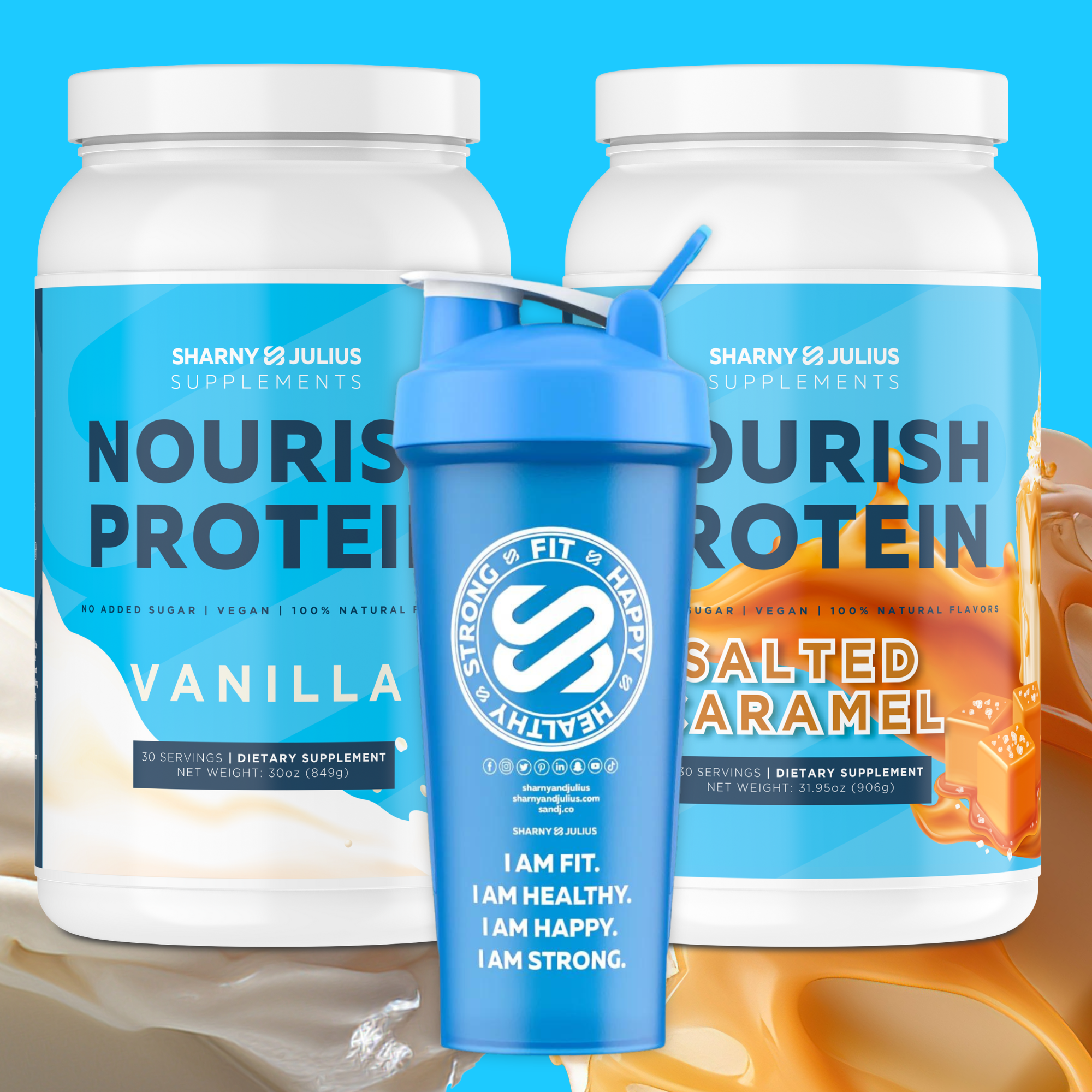
S&J Nourish™ Plant Protein
20g protein · All 9 EAAs · Free from all 9 allergens · NSF Certified
Why Protein Quality Matters in First Trimester
During the first trimester, your body is building the placenta and supporting rapid cellular division, requiring all nine essential amino acids in optimal ratios. However, this is precisely when morning sickness peaks, making traditional protein sources difficult to tolerate. Pea protein isolate offers a uniquely gentle solution — it's easily absorbed, triggers satiety hormones to help stabilise blood sugar (reducing nausea), and provides the complete amino acid profile your growing baby needs. According to the Journal of Nutrition, plant-based proteins are associated with lower rates of digestive discomfort during pregnancy compared to dairy-based options. The challenge isn't just getting enough protein — it's finding a source that your sensitive first-trimester stomach can actually handle while delivering the building blocks essential for healthy embryonic development.
What to Look for in a First Trimester Protein
1. NSF Certification: Every batch should be independently tested for purity and banned substances — crucial when you're growing a baby. 2. Complete amino acid profile: All 9 essential amino acids in ratios that match or exceed whey protein for optimal fetal development. 3. Allergen-free formula: Free from dairy, soy, gluten and other common triggers that can worsen morning sickness. 4. Zero artificial additives: No artificial sweeteners, colours, or fillers that could stress your already sensitive system. 5. Gentle on digestion: Look for options that don't cause bloating or nausea — S&J Nourish™'s pea protein isolate delivers 20g complete protein with 97% of customers reporting zero bloating, plus it's specifically formulated to be GLP-1 compatible for sensitive stomachs.
First Trimester Protein FAQ
Is protein powder safe during the first trimester?
Yes, when it's NSF certified and free from artificial additives. Choose plant-based options like pea protein isolate that are gentle on sensitive stomachs and provide complete amino acid profiles without common allergens that could trigger nausea.
How much protein do pregnant women need in early pregnancy?
Pregnant women need approximately 70-75g of protein daily, up from 50g pre-pregnancy. According to the American Pregnancy Association, this increased need begins immediately to support placental development and early fetal growth during the critical first trimester.
What protein powder won't make morning sickness worse?
Pea protein isolate is gentlest for morning sickness because it's dairy-free, easily absorbed, and triggers satiety hormones that help stabilise blood sugar. Avoid whey, artificial sweeteners, and added gums which commonly worsen nausea during early pregnancy.
Find Your Protein
For first-trimester nutrition that works with your body, not against it, Nourish™ delivers 20g of complete pea protein isolate with all 9 essential amino acids, NSF certification, and zero bloating guarantee — available in smooth Vanilla and rich Salted Caramel flavours. Always consult your OB-GYN before starting any supplement during pregnancy.
Shop Nourish