


Protein Requirements During Pregnancy — How protein needs change during pregnancy and postpartum for supporting fetal development and maternal recovery. Protein intake must increase significantly across trimesters to support placental growth, fetal tissue development, expanded blood volume, and the body's preparation for breastfeeding and postpartum healing.
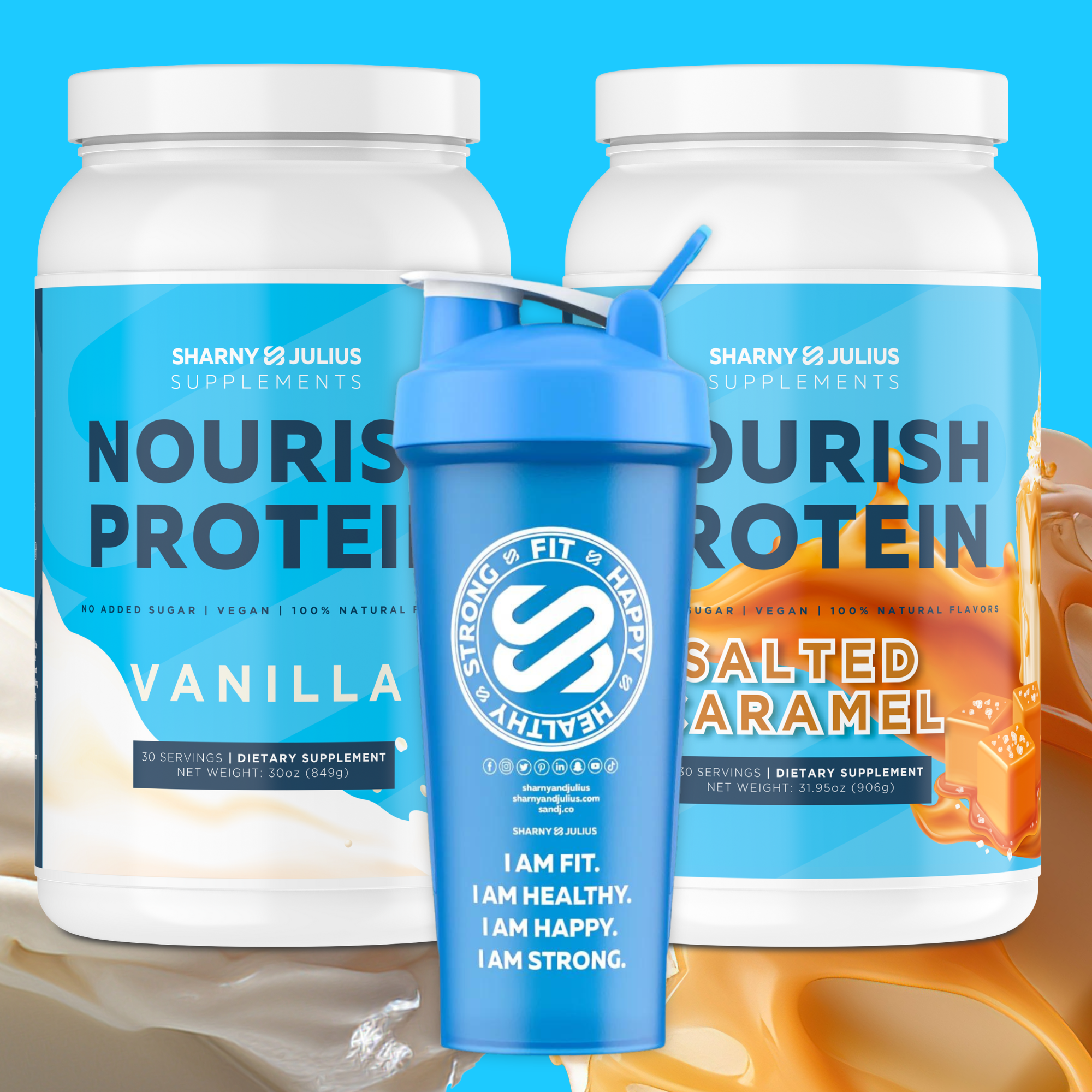
S&J Nourish™ Plant Protein
20g protein · All 9 EAAs · Free from all 9 allergens · NSF Certified
How Protein Requirements During Pregnancy Work
Protein demands rise progressively throughout pregnancy as the body supports rapid fetal growth and undergoes significant physiological changes. According to the American College of Obstetricians and Gynecologists (ACOG), pregnant women need a minimum of 71 grams of protein per day, compared to the standard recommendation of 46 grams for non-pregnant women. However, recent research suggests this figure may underestimate actual needs. A 2015 study published in the Journal of Nutrition used indicator amino acid oxidation methodology and found that protein requirements during late pregnancy may be as high as 1.2 grams per kilogram of body weight per day, approximately 73% higher than the current recommended dietary allowance.
During the first trimester, protein supports the formation of the placenta and the early stages of organ development. By the second and third trimesters, the fetus is growing rapidly, and the mother's blood volume increases by 40 to 50%. According to the National Institutes of Health, inadequate protein intake during pregnancy is associated with lower birth weight, impaired fetal brain development, and increased risk of complications such as preeclampsia.
The quality of protein matters as much as the quantity. Complete proteins that supply all nine essential amino acids are especially important during pregnancy because the developing fetus cannot synthesize these amino acids independently. Research published in the American Journal of Clinical Nutrition has shown that the amino acids leucine, lysine, and methionine play particularly critical roles in fetal muscle development, neural tube formation, and placental function. Distributing protein intake across meals rather than concentrating it in one or two servings helps maintain steady amino acid availability for the fetus throughout the day.
Why Protein Requirements During Pregnancy Matter for Your Health
Meeting protein needs during pregnancy directly impacts both immediate outcomes and long-term health for mother and child. A large-scale study published in the British Journal of Nutrition found that women who consumed adequate protein throughout pregnancy had a 30% lower risk of delivering low-birth-weight infants compared to those with insufficient intake. Low birth weight is associated with increased risk of chronic health conditions later in the child's life, including cardiovascular disease and type 2 diabetes.
For the mother, protein is essential for postpartum recovery and breastfeeding. The Academy of Nutrition and Dietetics recommends that breastfeeding women consume an additional 25 grams of protein per day beyond standard recommendations to support milk production while preserving maternal muscle mass. Many women experience significant muscle loss during pregnancy and the postpartum period, and adequate protein intake combined with gentle physical activity helps rebuild strength and support recovery of the pelvic floor, abdominal wall, and overall musculoskeletal system.
Practical Takeaways
- Aim for at least 71 grams of protein per day during pregnancy as recommended by ACOG, and consider increasing to 1.0 to 1.2 grams per kilogram of body weight during the third trimester based on more recent research from the Journal of Nutrition
- Distribute protein evenly across three to four meals per day, targeting 20 to 25 grams per meal, to maintain steady amino acid supply for fetal development
- Choose protein sources that are also rich in iron and folate, such as lentils, beans, eggs, and lean meats, to address multiple pregnancy nutritional needs simultaneously
- During breastfeeding, increase daily protein intake by an additional 25 grams above baseline as recommended by the Academy of Nutrition and Dietetics
- If morning sickness makes solid food difficult, protein shakes or smoothies can provide an easily digestible alternative to help meet daily targets during the first trimester
For pregnant and breastfeeding women with food sensitivities, S&J Nourish™ offers 20g of plant-based protein per serving that is free from all eight major allergens and NSF certified, providing peace of mind during a time when ingredient safety is paramount.