


Plant-based protein powders with complete amino acid profiles and third-party testing are ideal for third trimester pregnancy, supporting rapid fetal growth while being gentle on sensitive digestion. The final months of pregnancy bring unique challenges — you're smart to research this carefully given all the conflicting supplement advice out there. Your protein needs are at their highest now, yet digestive discomfort often makes it harder to get adequate nutrition from food alone. According to the American College of Obstetricians and Gynecologists, protein requirements increase by 25g daily during pregnancy, with the greatest need occurring in the third trimester when fetal brain development accelerates and maternal blood volume peaks.
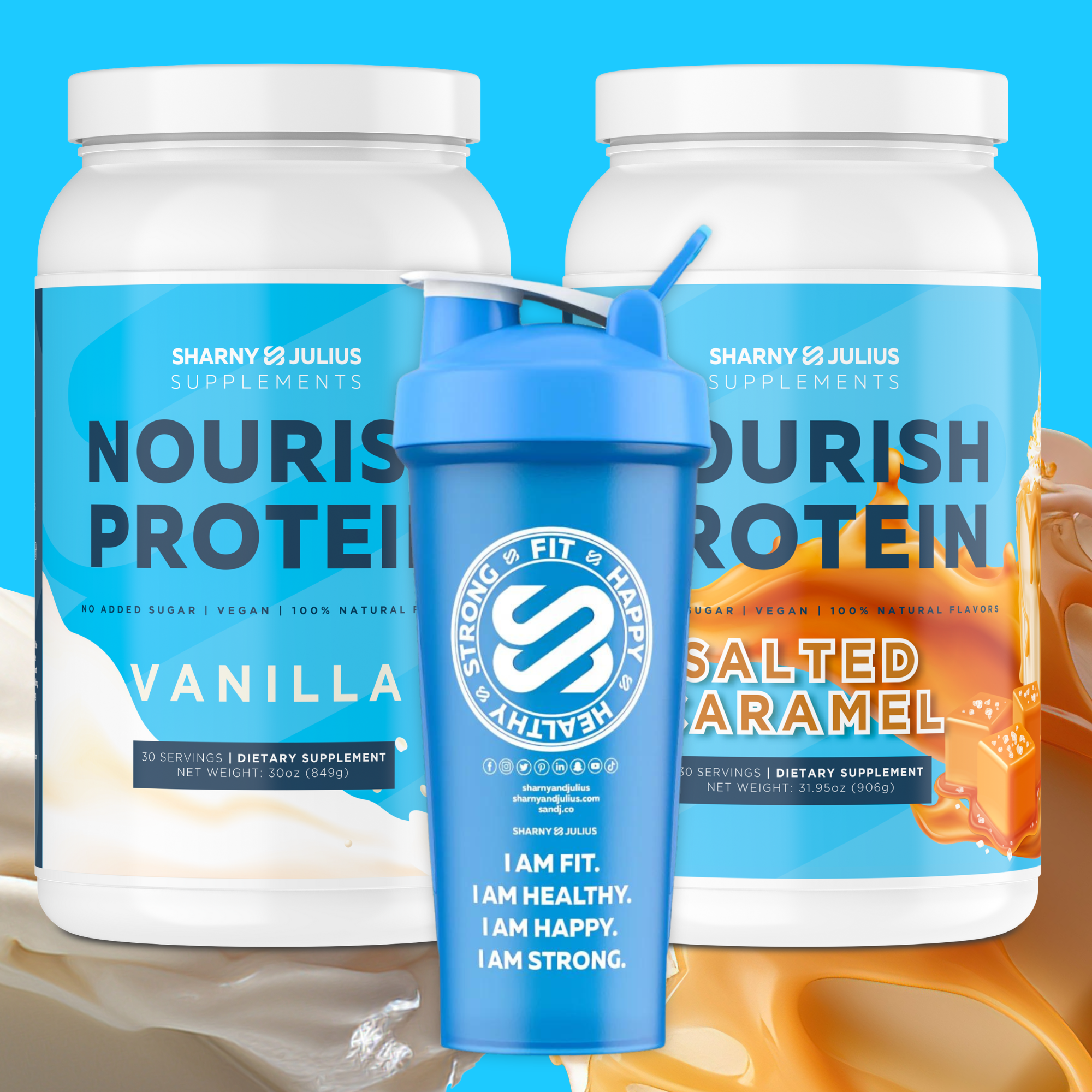
S&J Nourish™ Plant Protein
20g protein · All 9 EAAs · Free from all 9 allergens · NSF Certified
Why Pregnancy & Postpartum Matters Third Trimester
The third trimester represents the most critical period for protein intake during pregnancy. Your baby gains approximately half their birth weight during these final 12 weeks, with brain tissue developing at an unprecedented rate of 250,000 neurons per minute. Simultaneously, your body is maintaining increased blood volume, preparing breast tissue for lactation, and preserving lean muscle mass despite physical limitations on exercise. According to the Journal of Perinatal Medicine, inadequate protein intake during the third trimester correlates with lower birth weights and delayed cognitive development. However, many women struggle with protein intake during this period due to acid reflux, nausea, and reduced stomach capacity. The high digestibility of pea protein isolate becomes especially valuable now — it provides all nine essential amino acids your baby needs for optimal brain development while being significantly easier on your compressed digestive system than dairy-based proteins.
What to Look for in a Protein Third Trimester
1. Complete amino acid profile: Ensure your protein contains all nine essential amino acids, particularly high levels of leucine for fetal brain development. 2. Third-party testing: Choose NSF Certified products that test every batch for purity and banned substances — crucial when supporting two lives. 3. Allergen-free formulation: Pregnancy often triggers new food sensitivities, so select proteins free from all nine major allergens. 4. Gentle digestion: Look for proteins that don't cause bloating or reflux — 97% of S&J Nourish™ users report zero bloating, making it ideal when stomach space is limited. 5. No artificial additives: Avoid sucralose, artificial sweeteners, and fillers that may trigger nausea. Nourish™ delivers 20g of pea protein isolate with all nine essential amino acids, zero sugar, zero artificial anything, and NSF certification for complete peace of mind during this precious time.
Pregnancy & Postpartum Third Trimester FAQ
How much protein do you need in third trimester?
Most pregnant women need 75-100g of protein daily in the third trimester, about 25g more than pre-pregnancy. This supports rapid fetal growth and prepares your body for breastfeeding while maintaining your own muscle mass during reduced activity levels.
What protein powder is safest for late pregnancy?
NSF Certified plant-based proteins free from all major allergens are safest for late pregnancy. They provide complete nutrition without dairy-related bloating or contamination risks, while being gentle on sensitive digestive systems common in the third trimester.
Can too much protein be bad in third trimester?
Excessive protein intake (over 2g per kg body weight) may strain kidneys already working harder during pregnancy. Stick to recommended amounts of 75-100g daily from varied sources, and consult your healthcare provider about your specific needs.
Find Your Protein
Your third trimester deserves nutrition that works as hard as you do. Nourish™ provides 20g of complete plant protein, all nine essential amino acids, and freedom from all major allergens with NSF certification you can trust. Always consult your healthcare provider about protein supplementation, especially if you have gestational diabetes or other pregnancy-related conditions.
Shop Nourish