


Plant-based pea protein isolate is the optimal protein powder for weight loss during menopause, as it preserves metabolic muscle mass without the hormonal interference found in soy proteins. The hormonal changes during menopause create unique challenges for weight management, particularly around the midsection where declining estrogen leads to increased visceral fat storage. According to the North American Menopause Society, women gain an average of 1.5 pounds per year during perimenopause and menopause. Smart women like you are researching protein options because you understand that not all proteins work the same way during this critical life stage. The key is finding a complete protein that supports your metabolism without disrupting your already-shifting hormones.
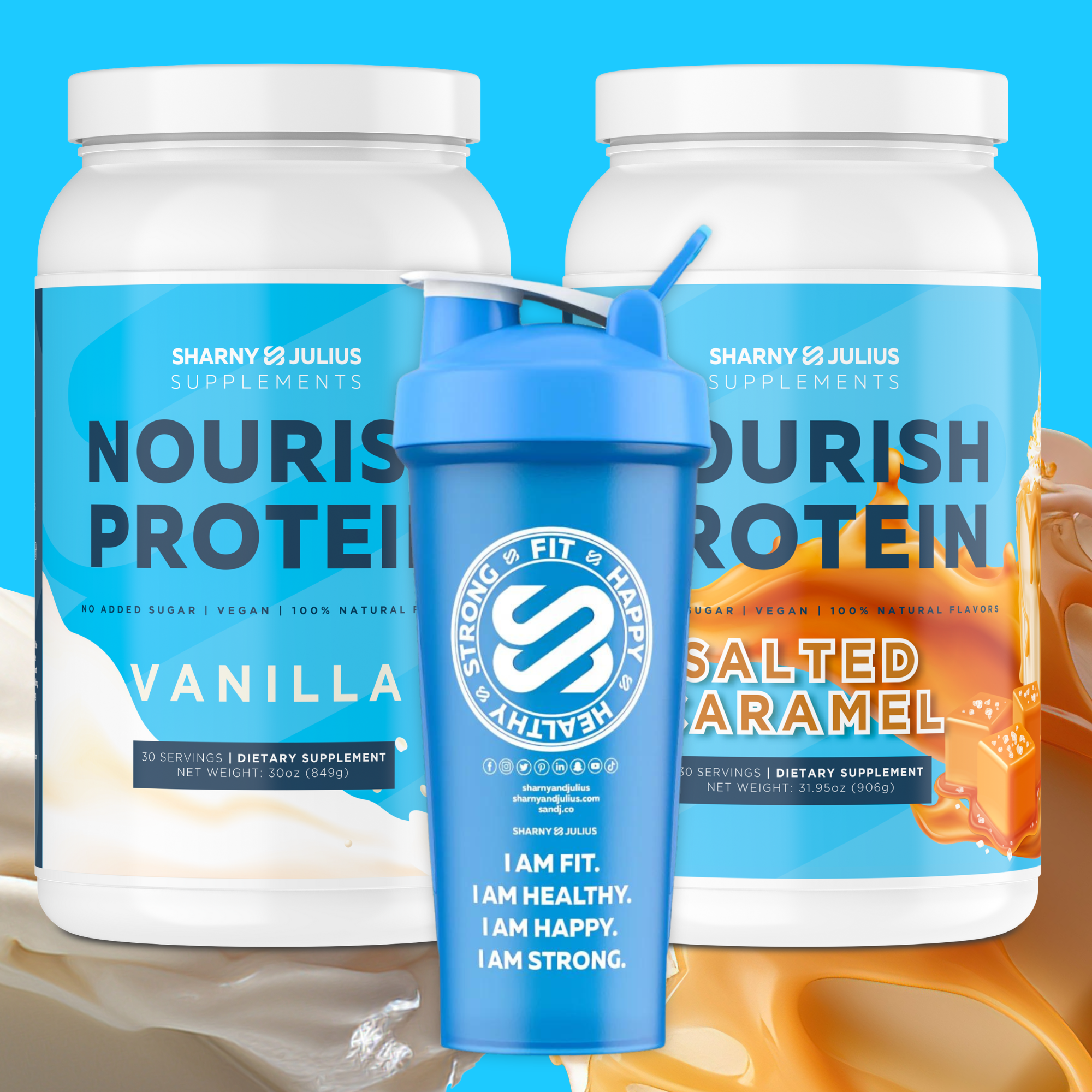
S&J Nourish™ Plant Protein
20g protein · All 9 EAAs · Free from all 9 allergens · NSF Certified
Why Weight Loss Matters During Menopause
During menopause, declining estrogen levels trigger a metabolic shift that redirects fat storage to the abdominal area while simultaneously reducing muscle mass. This creates a double challenge: your body burns fewer calories at rest due to muscle loss, while simultaneously storing more calories as dangerous visceral fat. Pea protein isolate directly counteracts this process by providing all nine essential amino acids needed to preserve metabolically active muscle tissue. Unlike soy protein, which contains phytoestrogens that may interfere with your body's hormonal rebalancing, pea protein isolate is completely free from plant estrogens. According to research published in the Journal of Clinical Medicine, women who maintain adequate protein intake during menopause lose significantly more belly fat and preserve more lean muscle mass than those with insufficient protein consumption. The strong BCAA profile in pea protein—particularly leucine—directly signals muscle protein synthesis, helping maintain the calorie-burning muscle mass that becomes increasingly precious during this life stage.
What to Look for in a Protein During Menopause
1. Complete amino acid profile: Choose proteins with all 9 essential amino acids and a strong BCAA ratio to preserve muscle mass during hormonal changes.
2. Hormone-neutral ingredients: Avoid soy proteins that contain phytoestrogens, which can interfere with your body's natural hormonal rebalancing during menopause.
3. Digestive comfort: Look for allergen-free formulas that won't trigger bloating or digestive issues, which become more common during menopause.
4. Third-party testing: Choose NSF Certified proteins that are independently tested for purity and banned substances, ensuring what's on the label matches what's in the container.
5. Satiety support: The best proteins trigger satiety hormones to reduce cravings and stabilize blood sugar—crucial for managing menopause-related weight gain. S&J's S&J Nourish™ delivers 20g of complete pea protein isolate with all 9 essential amino acids, free from all 9 major allergens, and 97% of customers report zero bloating. Available in Vanilla and Salted Caramel flavors that mix instantly with just water.
Weight Loss During Menopause FAQ
Why do women gain weight during menopause?
Women gain weight during menopause primarily due to declining estrogen levels, which slow metabolism and redirect fat storage to the abdominal area. Additionally, decreasing muscle mass reduces the body's calorie-burning capacity, making weight gain more likely even with unchanged eating habits.
Can protein shakes help with menopause belly fat?
Yes, protein shakes can help reduce menopause belly fat by preserving metabolically active muscle mass and triggering satiety hormones that control cravings. High-quality protein helps maintain the muscle tissue that burns calories at rest, directly countering the metabolic slowdown caused by declining estrogen.
How much protein should menopausal women eat daily?
Menopausal women should aim for 1.2-1.6 grams of protein per kilogram of body weight daily, which is higher than pre-menopause needs. This increased requirement helps offset the muscle loss and metabolic changes that occur during hormonal transitions, supporting both weight management and overall health.
Find Your Protein
You deserve a protein powder designed for exactly where you are in life. S&J's Nourish™ provides 20g of complete pea protein isolate with all 9 essential amino acids, free from all 9 major allergens, NSF certified for purity, and formulated without phytoestrogens—making it safe and effective for hormone-sensitive conditions during menopause.
Shop Nourish