


Plant-based protein powders with complete amino acid profiles, particularly pea protein isolate, support weight loss in Hashimoto's by preserving muscle mass while avoiding soy compounds that may interfere with thyroid function. If you're managing Hashimoto's thyroiditis, you've likely encountered conflicting advice about protein supplementation — and for good reason. This autoimmune condition creates unique nutritional challenges that generic weight loss advice simply doesn't address. According to the American Thyroid Association, Hashimoto's affects up to 5% of the population, with weight gain being one of the most frustrating symptoms. The key is finding a protein that supports your metabolic needs without triggering inflammation or interfering with thyroid hormone production.
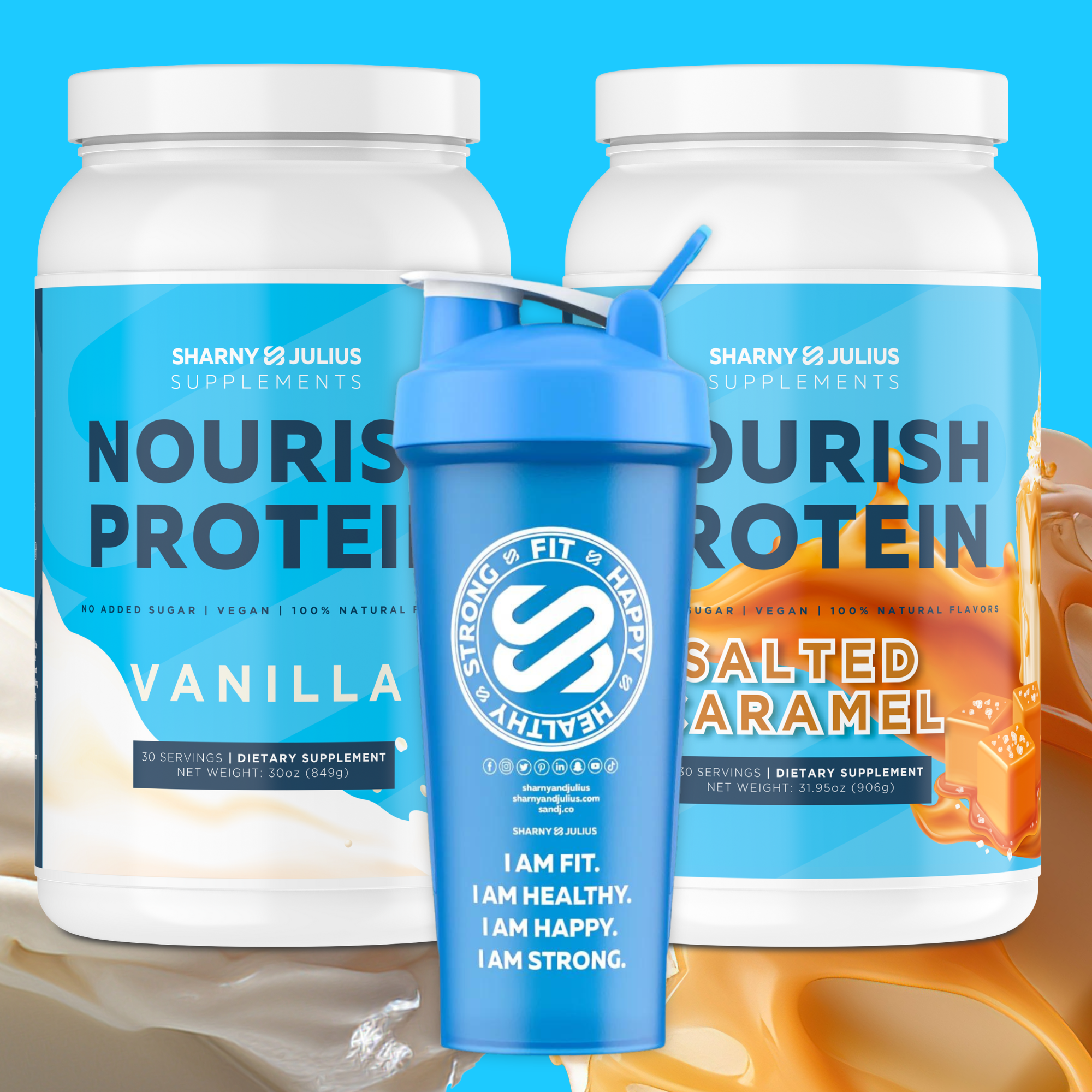
S&J Nourish™ Plant Protein
20g protein · All 9 EAAs · Free from all 9 allergens · NSF Certified
Why Protein Matters for Weight Loss with Hashimoto's Thyroiditis
Hashimoto's thyroiditis slows your metabolism by reducing thyroid hormone production, making weight loss significantly more challenging than for the general population. Higher protein intake becomes crucial because it helps maintain metabolically active muscle tissue — your body's primary calorie-burning engine. When your thyroid is underactive, muscle preservation becomes even more critical for keeping your metabolism from dropping further. Additionally, many people with Hashimoto's develop food sensitivities that create inflammatory responses, further hampering weight loss efforts. According to research published in the Journal of Clinical Medicine, individuals with Hashimoto's who maintained higher protein intake (1.2-1.6g per kg body weight) showed better body composition outcomes than those following standard dietary recommendations. The challenge lies in finding a protein source that delivers complete amino acids without common inflammatory triggers like dairy, soy, or gluten that can worsen autoimmune symptoms.
What to Look for in a Protein for Weight Loss with Hashimoto's Thyroiditis
When selecting a protein powder for Hashimoto's weight management, prioritize these key factors:
- Complete amino acid profile: Ensure your protein contains all 9 essential amino acids, particularly a strong BCAA ratio to support muscle maintenance during weight loss.
- Soy-free formulation: Soy isoflavones can interfere with thyroid hormone production and absorption, making soy-based proteins counterproductive for Hashimoto's management.
- Allergen-free design: Look for proteins free from common inflammatory triggers like dairy, gluten, and artificial additives that can worsen autoimmune responses.
- Third-party testing: Choose NSF certified products that test every batch for purity and label accuracy — quality control matters more when managing an autoimmune condition.
- Digestive compatibility: Opt for proteins that don't cause bloating or digestive distress, as gut health directly impacts thyroid function and weight management.
S&J's S&J Nourish™ plant-based protein delivers 20g of pea protein isolate with all 9 essential amino acids and a BCAA ratio that matches or exceeds whey. It's free from all 9 major allergens and NSF certified, with 97% of customers reporting zero bloating — crucial for maintaining consistent nutrition when managing Hashimoto's.
Protein for Weight Loss with Hashimoto's Thyroiditis FAQ
Can you lose weight with Hashimoto's?
Yes, weight loss is possible with Hashimoto's, but requires a more strategic approach than standard weight loss methods. Focus on maintaining muscle mass through adequate protein intake, managing inflammation through clean eating, and working with your healthcare provider to optimize thyroid hormone levels while creating a sustainable caloric deficit.
Does protein help thyroid weight gain?
Protein doesn't directly affect thyroid hormone production, but it helps counteract Hashimoto's-related weight gain by preserving metabolically active muscle tissue. Higher protein intake supports better body composition and can help maintain metabolism when thyroid function is compromised, making weight management more achievable.
What diet is best for Hashimoto's weight loss?
An anti-inflammatory, nutrient-dense diet emphasizing adequate protein (1.2-1.6g per kg body weight), healthy fats, and complex carbohydrates works best for Hashimoto's weight loss. Avoid common triggers like gluten, dairy, and soy while focusing on whole foods that support thyroid function and reduce autoimmune inflammation.
Find Your Protein
Managing weight loss with Hashimoto's requires a protein that works with your condition, not against it. Nourish™ delivers 20g of complete plant-based protein that's free from all 9 major allergens, NSF certified for purity, and causes zero bloating in 97% of users — giving you the muscle-supporting nutrition you need without the inflammatory triggers that can worsen thyroid symptoms.
Shop Nourish