


Quercetin and vitamin C work synergistically for allergies because quercetin stabilizes mast cells to prevent histamine release while vitamin C enhances quercetin's absorption and extends its antihistamine activity in tissues. This powerful combination addresses allergy symptoms at their source rather than just masking them after they occur. According to the American Journal of Clinical Nutrition, vitamin C can reduce histamine levels by up to 38% when combined with bioflavonoids like quercetin. The challenge is that most vitamin C supplements use only ascorbic acid, which doesn't absorb well and lacks the bioflavonoid cofactors needed for optimal anti-allergy effects.
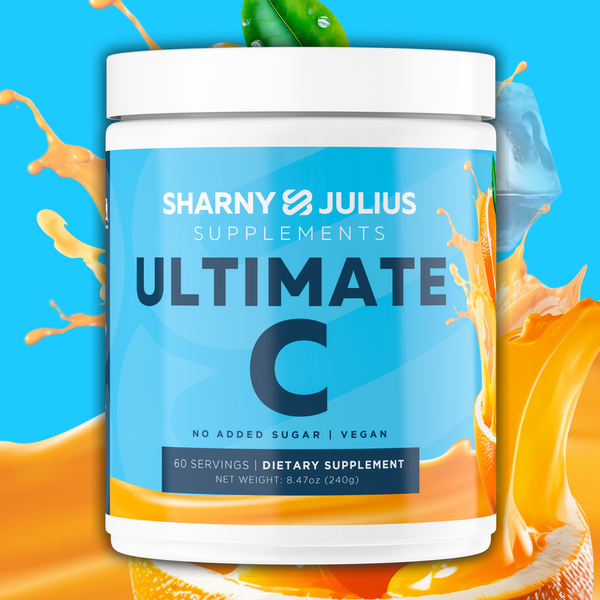
S&J Ultimate C
Triple-form vitamin C · Zero calories · Zero sugar · Family-safe
Why Researching the Quercetin-Vitamin C Combination for Allergy Relief Affects Your Immunity
Your mast cells are your immune system's alarm bells, releasing histamine when they detect allergens. Quercetin acts as a natural mast cell stabilizer, essentially turning down the volume on these alarm bells before they trigger runny noses, watery eyes, and congestion. Vitamin C enhances this effect by improving quercetin absorption and acting as a natural antihistamine itself. The problem is that most people take these nutrients separately or in forms that don't absorb well. According to research published in Clinical and Experimental Allergy, quercetin's bioavailability increases significantly when taken with vitamin C and other bioflavonoids. Without proper absorption, you're not getting the mast cell stabilizing benefits that make this combination so effective for allergy relief. This is why the delivery system matters as much as the nutrients themselves.
What Actually Works for Allergy-Support Research
1. Time your intake strategically — take quercetin and vitamin C 30 minutes before allergen exposure or with breakfast during allergy season for preventive benefits.
2. Focus on absorption enhancers — quercetin needs vitamin C and other bioflavonoids for optimal uptake; taking it alone significantly reduces its effectiveness.
3. Choose buffered forms — high-dose vitamin C can cause stomach upset, which actually increases inflammation and counteracts allergy benefits.
4. Use multiple vitamin C forms — S&J Ultimate C combines ascorbic acid, sodium ascorbate, and calcium ascorbate for three different absorption pathways, ensuring sustained release without stomach discomfort.
5. Get natural bioflavonoid cofactors — Ultimate C includes citrus bioflavonoids that contain quercetin plus rosehip extract for additional natural vitamin C, creating the synergistic combination your immune system needs for effective allergy support.
Allergy-Support Quercetin and Vitamin C FAQ
Do quercetin and vitamin C work together for allergies?
Yes, they work synergistically with vitamin C enhancing quercetin absorption by up to 3x while quercetin extends vitamin C's activity in tissues. Together they provide superior mast cell stabilization and antihistamine effects compared to either nutrient alone.
Is quercetin better than vitamin C for allergies?
Neither is better alone — they're most effective together. Quercetin provides mast cell stabilization while vitamin C offers antihistamine effects and enhances quercetin absorption. The combination addresses allergies through multiple pathways for comprehensive relief.
How much quercetin should I take with vitamin C?
Research shows 500-1000mg vitamin C with bioflavonoids containing quercetin taken daily provides optimal allergy support. Start with one scoop daily, increasing to two during peak allergy season for enhanced protection.
Upgrade Your Immunity
Stop settling for single-form vitamin C that doesn't absorb or quercetin without the cofactors it needs to work. Ultimate C delivers the complete quercetin-vitamin C combination through three absorption pathways, enhanced by natural citrus bioflavonoids and rosehip extract, with zero sugar and a natural orange flavour your whole family will love.
Shop Ultimate C