


The most common signs you need more protein include constant hunger despite eating regularly, slow muscle recovery after workouts, persistent fatigue, frequent minor illnesses, and noticeable muscle weakness or loss. Your body has no way to store protein like it does fat or carbohydrates, so these symptoms often appear within days of inadequate intake.
According to the National Health and Nutrition Examination Survey, nearly 40% of women over 50 consume less protein than recommended, yet many dismiss these telltale symptoms as normal aging or stress. The confusion is completely understandable — conflicting advice about protein needs has left many people unsure whether their symptoms stem from too little protein or something else entirely.
You're smart to research this connection. Recognising protein deficiency early can prevent more serious issues like muscle loss, compromised immunity, and metabolic slowdown that become harder to reverse over time.
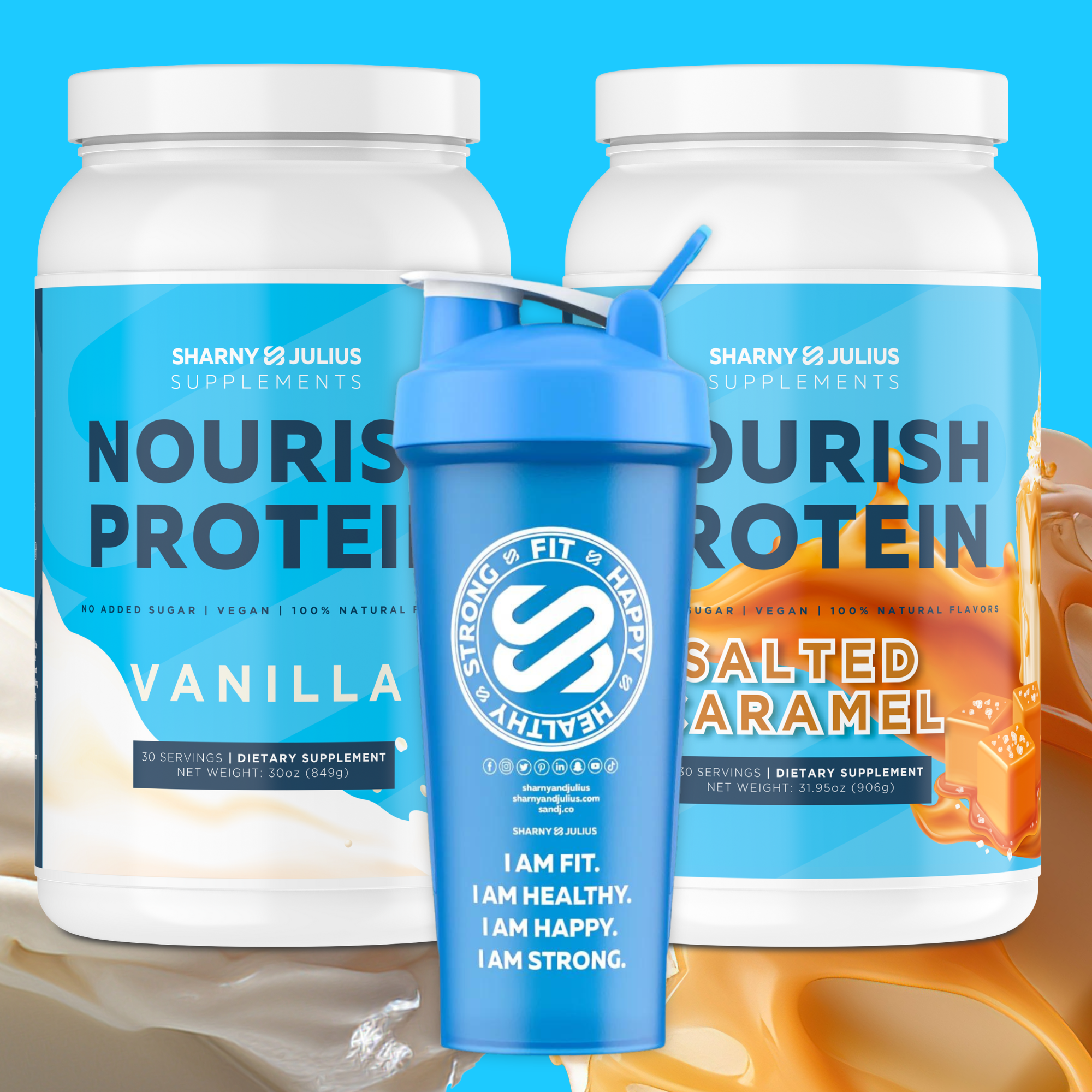
S&J Nourish™ Plant Protein
20g protein · All 9 EAAs · Free from all 9 allergens · NSF Certified
Why Protein Deficiency Shows Up So Quickly
Unlike stored fat or glycogen, your body maintains only a small amino acid pool that gets depleted within hours. When protein intake drops below your needs, your body begins breaking down muscle tissue to access essential amino acids for critical functions like immune response and hormone production. This process triggers the cascade of symptoms many experience: persistent hunger as your body seeks amino acids from food, fatigue as muscle tissue breaks down, and frequent illness as immune function suffers.
According to research published in the American Journal of Clinical Nutrition, muscle protein synthesis can drop by up to 30% within just 48 hours of inadequate protein intake. Women are particularly susceptible because hormonal fluctuations increase protein requirements, yet many still follow outdated recommendations that don't account for active lifestyles, stress, or age-related changes in protein absorption. The secondary mechanism here is that many women mistake these protein deficiency symptoms for inevitable parts of aging or busy lifestyles, delaying intervention when simple dietary adjustments could restore energy and strength.
What to Look for in a Protein Solution
Here's how to address protein deficiency effectively:
1. Calculate your actual needs: Active individuals need 0.8-1.2g protein per pound of body weight, not the minimal RDA designed to prevent deficiency diseases.
2. Choose complete proteins: Look for sources containing all nine essential amino acids your body cannot produce, especially if you're experiencing multiple deficiency symptoms.
3. Time your intake strategically: Consume 20-30g protein within 2 hours post-workout to support recovery, and include protein at each meal to maintain amino acid availability.
4. Prioritise digestibility: If you're experiencing bloating or digestive issues alongside other symptoms, choose easily absorbed proteins. Our S&J Nourish™ plant-based protein delivers 20g of pea protein isolate with all nine essential amino acids and a strong BCAA ratio that matches or exceeds whey, while 97% of customers report zero bloating.
5. Ensure purity and safety: When you're already dealing with fatigue or weakness, the last thing you need is contaminated supplements. Nourish™ is NSF Certified with every batch independently tested for purity and banned substances, free from all nine major allergens, and contains zero artificial sweeteners or fillers that could trigger additional symptoms.
Protein Deficiency Recognition FAQ
How do you know if you need more protein?
You likely need more protein if you experience constant hunger, slow recovery from workouts, persistent fatigue, frequent minor illnesses, or muscle weakness. These symptoms often appear together within days of inadequate protein intake since your body cannot store amino acids long-term.
What does low protein feel like?
Low protein typically feels like persistent hunger that carbs and fats don't satisfy, accompanied by unusual fatigue and weakness. Many people describe feeling "hollow" hungry or craving substantial foods even after eating, plus noticing their usual workouts feel much harder than normal.
Can low protein cause tiredness and weakness?
Yes, inadequate protein directly causes fatigue and weakness because your body breaks down muscle tissue to access essential amino acids for vital functions. This muscle breakdown process creates physical weakness while disrupting energy metabolism, leading to persistent tiredness that rest doesn't resolve.
Find Your Protein
If you're experiencing three or more of these signs, try increasing your protein intake for two weeks and reassess your symptoms. Nourish™ provides 20g of complete protein with all nine essential amino acids, free from all major allergens, NSF certified for purity, and designed to eliminate bloating — available in Vanilla and Salted Caramel flavours that customers compare to premium cafe drinks.
Shop Nourish