


Vitamin C helps reduce allergic rhinitis symptoms by breaking down histamine in nasal tissues, which decreases congestion, runny nose, and sneezing episodes. This powerful antioxidant works as a natural antihistamine while supporting your immune system's ability to regulate inflammatory responses. According to the American Journal of Clinical Nutrition, people with higher vitamin C blood levels experience significantly fewer respiratory allergy symptoms. If you've tried basic vitamin C tablets without relief, the issue likely isn't the vitamin itself—it's absorption. Most supplements use only ascorbic acid, which your body eliminates quickly. The breakthrough comes from combining multiple forms of vitamin C with natural absorption enhancers for sustained relief.
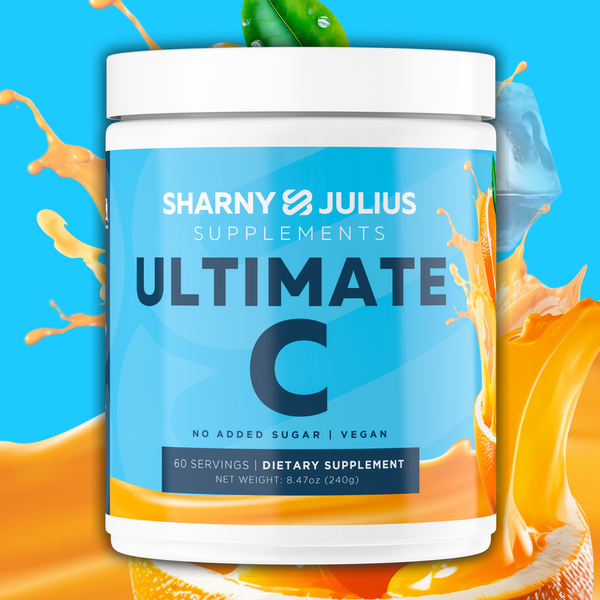
S&J Ultimate C
Triple-form vitamin C · Zero calories · Zero sugar · Family-safe
Why Managing Chronic Allergic Rhinitis Symptoms Affects Your Immunity
Allergic rhinitis creates a cycle where your immune system becomes hyperactive, releasing excessive histamine that inflames nasal tissues and triggers that familiar cascade of congestion, runny nose, and sneezing. Vitamin C breaks this cycle by directly degrading histamine molecules in your nasal passages while stabilising mast cells that release these inflammatory compounds. According to the Journal of Nutritional Science, individuals with allergic rhinitis have measurably lower vitamin C levels in their nasal secretions compared to healthy individuals. This depletion happens because your body rapidly consumes vitamin C fighting inflammation, creating a deficit precisely where you need it most. Meanwhile, chronic inflammation taxes your entire immune system, leaving you more susceptible to other infections and prolonging recovery times. The key is maintaining consistently high vitamin C levels in tissues, not just blood—which requires superior absorption and sustained release.
What Actually Works for Allergy-Support Managing Chronic Allergic Rhinitis Symptoms
1. Reduce histamine-triggering foods during peak allergy seasons—aged cheeses, fermented foods, and alcohol can amplify symptoms by adding dietary histamine to your already overloaded system.
2. Time your vitamin C intake strategically—take it before known exposure to allergens rather than waiting for symptoms to appear, as prevention works better than reaction.
3. Support your nasal environment with saline rinses to physically remove allergens while your immune system works on the inflammatory response.
4. Choose triple-form vitamin C absorption—S&J Ultimate C combines ascorbic acid for potency, sodium ascorbate for rapid uptake, and calcium ascorbate for sustained release, ensuring your nasal tissues get continuous support instead of quick spikes and crashes.
5. Enhance absorption naturally with citrus bioflavonoids that extend vitamin C activity in your body, plus rosehip extract for additional natural vitamin C and zinc to support the 300+ immune enzymes regulating allergic responses. The natural orange flavour makes daily compliance effortless.
Allergy-Support Managing Chronic Allergic Rhinitis Symptoms FAQ
Does vitamin C help allergic rhinitis?
Yes, vitamin C helps allergic rhinitis by breaking down histamine molecules in nasal tissues and stabilising immune cells that trigger inflammatory responses. Research shows people with allergic rhinitis have lower nasal vitamin C levels, making supplementation particularly beneficial for reducing congestion and sneezing.
What supplements reduce nasal allergies?
Vitamin C with zinc provides the most research-backed relief for nasal allergies. Vitamin C degrades histamine while zinc regulates immune cell function and inflammatory responses. Citrus bioflavonoids enhance vitamin C absorption, and rosehip extract adds natural vitamin C plus antioxidants for comprehensive nasal support.
Can vitamin C stop a runny nose from allergies?
Vitamin C can significantly reduce runny nose from allergies by breaking down histamine that triggers nasal secretions and inflammation. However, absorption matters—triple-form vitamin C provides sustained tissue levels rather than quick elimination, offering longer-lasting relief than standard ascorbic acid tablets.
Upgrade Your Immunity
Stop letting allergic rhinitis control your daily comfort and energy levels. Ultimate C delivers three forms of vitamin C through different absorption pathways, enhanced by citrus bioflavonoids and rosehip extract, plus zinc for immune enzyme support—all in a zero-sugar, zero-calorie formula that tastes like fresh orange juice.
Shop Ultimate C