


Vitamin C may help support healthy blood pressure through its role in nitric oxide production, which helps blood vessels relax and maintain flexibility. Research suggests vitamin C's antioxidant properties can improve endothelial function—the inner lining of blood vessels that controls blood flow and pressure regulation. According to the American Journal of Clinical Nutrition, adults with higher vitamin C intake showed measurably better vascular function compared to those with lower levels.
If you've tried basic vitamin C tablets hoping to support your cardiovascular health, you've probably noticed little difference. That's because most supplements use only ascorbic acid, which many people struggle to absorb effectively, especially in the larger amounts that research suggests may benefit vascular health. Your body needs multiple forms of vitamin C working together, plus supporting nutrients that enhance absorption and extend vitamin C's activity in your system.
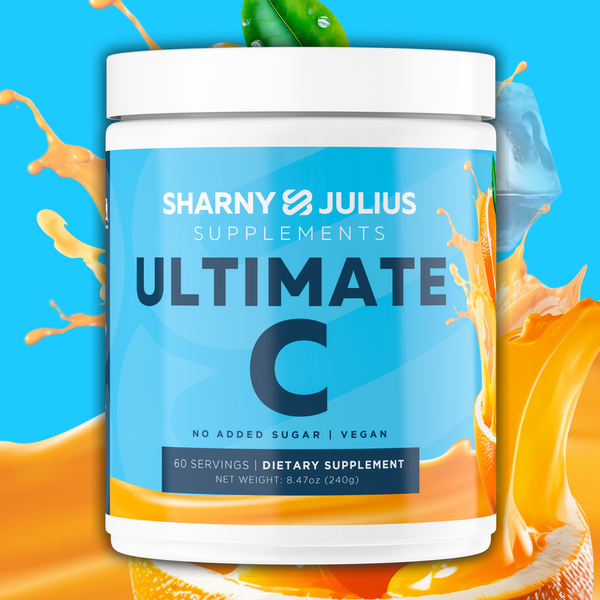
S&J Ultimate C
Triple-form vitamin C · Zero calories · Zero sugar · Family-safe
Why Exploring Vitamin C's Potential Effect on Blood Pressure Affects Your Immunity
The connection between vitamin C and blood pressure centers on nitric oxide production. Vitamin C helps protect and regenerate nitric oxide, a molecule that signals blood vessels to relax and dilate. When your vessels maintain this flexibility, your cardiovascular system doesn't have to work as hard to circulate blood effectively.
This same vascular health directly impacts your immune system. According to research published in Nutrients journal, healthy blood flow ensures immune cells can travel efficiently throughout your body, reaching tissues that need protection or repair. Poor circulation means slower immune response and delayed recovery. The bioflavonoids found in citrus fruits work synergistically with vitamin C to strengthen capillary walls and improve overall vascular integrity—supporting both cardiovascular function and immune cell mobility. When your circulatory system functions optimally, your immune defenses can respond more quickly and effectively to challenges.
What Actually Works for Daily Health When Exploring Vitamin C's Potential Effect on Blood Pressure
Here's what research supports for using vitamin C to complement cardiovascular wellness:
- Focus on consistent daily intake rather than sporadic mega-doses. Your body can only absorb limited amounts of vitamin C at once, making steady daily levels more effective than occasional large doses.
- Combine vitamin C with bioflavonoids. These plant compounds, naturally found alongside vitamin C in citrus fruits, enhance absorption and extend vitamin C's activity in your vascular system.
- Support nitric oxide production through gentle, sustained vitamin C levels. Buffered forms like sodium ascorbate and calcium ascorbate provide steady vitamin C without the digestive upset that can come with large doses of ascorbic acid alone.
- Choose a triple-form vitamin C supplement. S&J Ultimate C combines ascorbic acid for potency, sodium ascorbate for quick absorption, and calcium ascorbate for stomach comfort—giving you three different absorption pathways instead of relying on just one form.
- Look for enhanced absorption support. Ultimate C includes citrus bioflavonoids as nature's absorption multiplier, plus rosehip extract for additional natural vitamin C and zinc to support the 300+ enzymes that depend on this mineral for cardiovascular and immune function.
Daily Health and Vitamin C for Blood Pressure FAQ
Does vitamin C lower blood pressure?
Research suggests vitamin C may help support healthy blood pressure levels through improved nitric oxide function and vascular flexibility. Studies show people with adequate vitamin C levels tend to have better endothelial function, but vitamin C should complement, not replace, prescribed blood pressure medications.
How much vitamin C for blood pressure?
Studies examining cardiovascular benefits typically use 500-1000mg daily of vitamin C, though individual needs vary. One scoop of Ultimate C provides meaningful amounts in three absorbable forms, with a second scoop recommended when your system needs extra support during stress or illness.
Can supplements help with high blood pressure?
Certain supplements including vitamin C may support vascular health as part of a comprehensive approach, but they should never replace prescribed medications. Always consult your healthcare provider before making changes to blood pressure management, especially if you're currently taking medication.
Upgrade Your Immunity
If you're exploring natural ways to support both cardiovascular and immune health, Ultimate C delivers triple-form vitamin C with enhanced absorption through citrus bioflavonoids and rosehip extract, plus zinc for immune enzyme support—all in a zero-sugar, zero-calorie formula that tastes like fresh orange juice. Remember, vitamin C supplements may complement but should never replace prescribed blood pressure medications.
Shop Ultimate C