


Vitamin C supplementation is crucial for celiac disease patients due to intestinal damage that impairs nutrient absorption, creating deficiencies that compromise immune function and healing. When celiac disease damages the small intestine's villi, your body struggles to absorb essential nutrients from food, including vitamin C. This creates a challenging cycle where poor absorption leads to deficiencies, which then impair your immune system's ability to support healing and fight inflammation. According to the American Journal of Gastroenterology, up to 85% of celiac patients show nutrient deficiencies at diagnosis. The key is choosing a vitamin C supplement specifically designed for compromised absorption—one that provides multiple forms of vitamin C through different pathways, ensuring your body can actually utilise what you're taking rather than eliminating it unused.
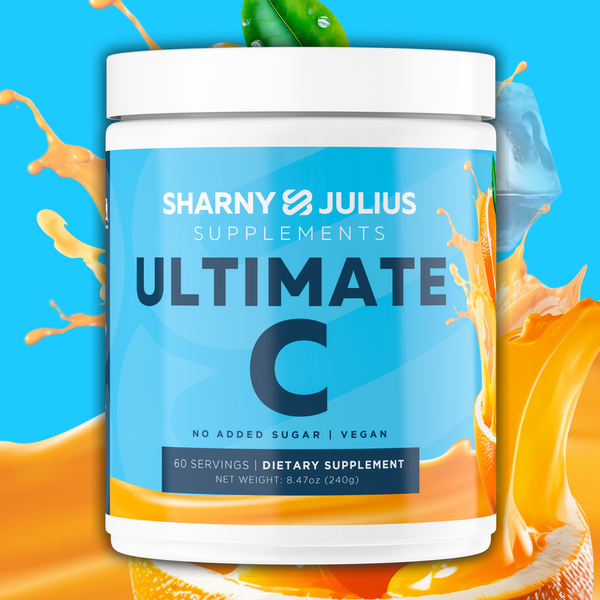
S&J Ultimate C
Triple-form vitamin C · Zero calories · Zero sugar · Family-safe
Why Managing Celiac Disease Affects Your Immunity
Celiac disease creates a perfect storm for vitamin C deficiency through multiple mechanisms. The autoimmune inflammation damages intestinal villi—the tiny finger-like projections responsible for nutrient absorption—reducing your ability to extract vitamin C from food sources. This malabsorption particularly affects water-soluble vitamins like vitamin C, which your body cannot store and must replenish daily. Simultaneously, the chronic inflammation characteristic of celiac disease increases your body's demand for antioxidants like vitamin C to combat oxidative stress and support tissue repair. According to the World Journal of Gastroenterology, celiac patients show significantly lower plasma vitamin C levels compared to healthy individuals, even when following a strict gluten-free diet. This deficiency compromises immune cell function, slows wound healing, and impairs collagen synthesis needed for intestinal repair. The traditional approach of simply eating more vitamin C-rich foods often fails because the damaged intestinal lining cannot efficiently absorb nutrients, making targeted supplementation with highly bioavailable forms essential for recovery.
What Actually Works for Celiac Patients Concerned About Nutrient Absorption
1. Heal your gut first: Strict gluten-free adherence remains fundamental, as even trace gluten exposure perpetuates inflammation and absorption issues. 2. Time supplements strategically: Take vitamin C away from meals to avoid competition with other nutrients and maximise absorption through damaged intestinal areas. 3. Address zinc deficiency concurrently: Zinc supports intestinal healing and immune function—deficiencies are common in celiac disease and impair vitamin C utilisation. 4. Choose multi-pathway absorption: S&J Ultimate C provides three forms of vitamin C—ascorbic acid for potency, sodium ascorbate for gentle quick absorption, and calcium ascorbate for stomach comfort—ensuring absorption even when intestinal function is compromised. 5. Enhance with natural cofactors: Citrus bioflavonoids in Ultimate C act as nature's absorption multiplier, extending vitamin C activity in your body, while rosehip extract provides additional natural vitamin C plus antioxidants for immune support. The zero sugar, zero calorie formula with natural orange flavour makes daily compliance easy for the whole family.
Celiac Disease and Vitamin C FAQ
Do celiac patients need vitamin C supplements?
Yes, most celiac patients benefit from vitamin C supplementation due to impaired intestinal absorption and increased antioxidant demands from chronic inflammation. Even with a strict gluten-free diet, damaged villi may take months to heal, making supplementation crucial for immune support and tissue repair during recovery.
Is vitamin C absorption affected by celiac disease?
Yes, celiac disease significantly impairs vitamin C absorption by damaging intestinal villi responsible for nutrient uptake. The chronic inflammation also increases vitamin C requirements while simultaneously reducing the body's ability to absorb it from food sources, creating a deficiency cycle that supplementation can help break.
What supplements should celiac patients take?
Celiac patients typically need vitamin C, zinc, iron, B vitamins, and vitamin D due to malabsorption issues. A multi-form vitamin C with zinc addresses two critical deficiencies simultaneously, supporting immune function and intestinal healing while ensuring absorption through multiple pathways even with compromised gut health.
Upgrade Your Immunity
Managing celiac disease requires supplements designed for compromised absorption—not standard formulas that assume perfect gut health. Ultimate C delivers vitamin C through three different absorption pathways, enhanced with citrus bioflavonoids and rosehip extract, plus zinc for immune enzyme support, in a zero sugar formula that tastes like orange juice. Note: ensure any supplement is certified gluten-free before taking with celiac disease.
Shop Ultimate C