


Vitamin C supports dry eye relief by strengthening the lacrimal glands that produce tears and protecting the delicate tear film from oxidative damage that can worsen dryness. According to the American Optometric Association, dry eye affects approximately 16 million Americans, with many cases linked to nutritional deficiencies and chronic inflammation. While most people reach for basic eye drops, the real solution often lies deeper—in supporting your body's natural tear production system with proper antioxidant protection. Your eyes are constantly exposed to environmental stressors, blue light, and free radicals that deplete the vitamin C reserves in your tear film, leaving your eyes vulnerable to chronic dryness and irritation.
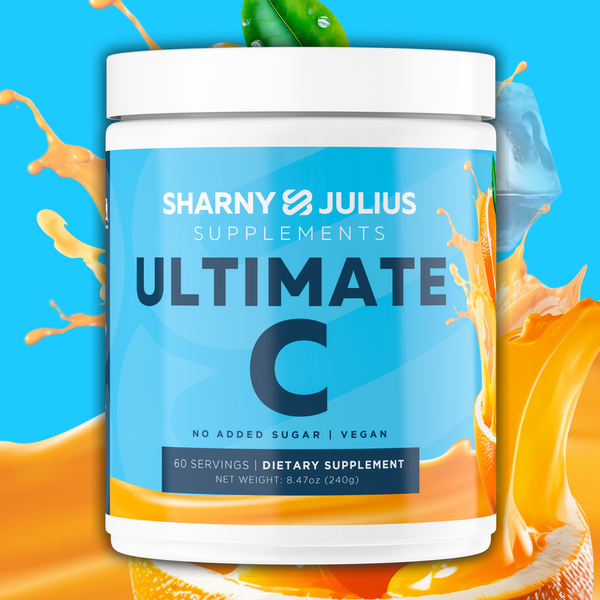
S&J Ultimate C
Triple-form vitamin C · Zero calories · Zero sugar · Family-safe
Why Dealing with Chronic Dry Eyes Affects Your Overall Health
Your lacrimal glands—the tiny structures responsible for producing tears—contain some of the highest concentrations of vitamin C in your entire body. This isn't coincidence; it's biology. Vitamin C acts as the primary antioxidant defense system for your tear film, neutralizing free radicals from pollution, UV exposure, and digital eye strain before they can damage the delicate tissues. When vitamin C levels drop, your lacrimal glands struggle to maintain healthy tear production, while your meibomian glands (which produce the oil layer of tears) become inflamed and blocked. According to research published in the Journal of Ophthalmology, individuals with chronic dry eye show significantly lower antioxidant levels in their tears compared to healthy controls. The zinc connection is equally crucial—this mineral supports over 300 enzymatic processes, including those that regulate tear composition and gland function, making it essential for maintaining the complex chemistry that keeps your eyes comfortable and properly lubricated.
What Actually Works for Nutritional Dry Eye Support
1. Increase omega-3 intake through fatty fish or supplements to reduce inflammation in tear-producing glands. 2. Follow the 20-20-20 rule—every 20 minutes, look at something 20 feet away for 20 seconds to reduce digital eye strain. 3. Maintain proper hydration with at least 8 glasses of water daily, as dehydration directly impacts tear volume. 4. Choose a triple-form vitamin C supplement like S&J Ultimate C, which combines ascorbic acid for maximum potency, sodium ascorbate for rapid absorption without stomach upset, and calcium ascorbate for gentle, sustained release—giving you three different absorption pathways instead of the single-form ascorbic acid found in most supplements. 5. Look for enhanced absorption factors—Ultimate C includes citrus bioflavonoids that act as nature's absorption multiplier, plus rosehip extract for additional natural vitamin C and zinc to support the enzymatic processes crucial for healthy tear production. The natural orange flavour makes it easy to take daily, and with zero sugar and zero calories, it fits any nutrition plan while delivering clinically meaningful amounts your body can actually use.
Vitamin C and Dry Eye FAQ
Does vitamin C help dry eyes?
Yes, vitamin C supports dry eye relief by protecting tear film integrity and supporting lacrimal gland function. As the primary antioxidant in tears, adequate vitamin C levels help maintain healthy tear production and protect against environmental damage that worsens dryness.
What vitamins are good for dry eyes?
Vitamin C, zinc, omega-3 fatty acids, and vitamin A are most beneficial for dry eyes. Vitamin C protects tear film antioxidants, zinc supports gland function, omega-3s reduce inflammation, and vitamin A maintains healthy epithelial tissues in the eye.
Can supplements improve tear production?
Yes, targeted supplements can support natural tear production by providing nutrients essential for lacrimal gland function. Vitamin C and zinc specifically support the cellular processes involved in tear production and composition, though results typically appear after 4-6 weeks of consistent use.
Upgrade Your Eye Health
Stop settling for temporary relief when you can address the root cause. Ultimate C delivers pharmaceutical-grade vitamin C through three absorption pathways, enhanced with citrus bioflavonoids and rosehip extract, plus zinc for optimal gland function—all in a delicious natural orange flavour that tastes like orange juice.
Shop Ultimate C