


Vitamin C is essential for senior eye health, protecting the lens and retina from oxidative damage that causes cataracts and macular degeneration. As we age, vitamin C levels in eye tissues decline significantly, making targeted supplementation crucial for maintaining clear vision and preventing age-related eye diseases.
According to the American Academy of Ophthalmology, cataracts affect more than 24 million Americans over age 40, with the risk doubling every decade after 50. The challenge isn't just getting enough vitamin C — it's getting it to where your eyes need it most. Standard vitamin C tablets often cause stomach upset or poor absorption, leaving seniors with inadequate protection for their aging eyes.
Your eyes contain some of the highest concentrations of vitamin C in your body, particularly in the lens and aqueous humor. When these levels drop with age, the oxidative stress accelerates, leading to cloudiness, reduced night vision, and increased risk of serious eye conditions that can rob you of independence.
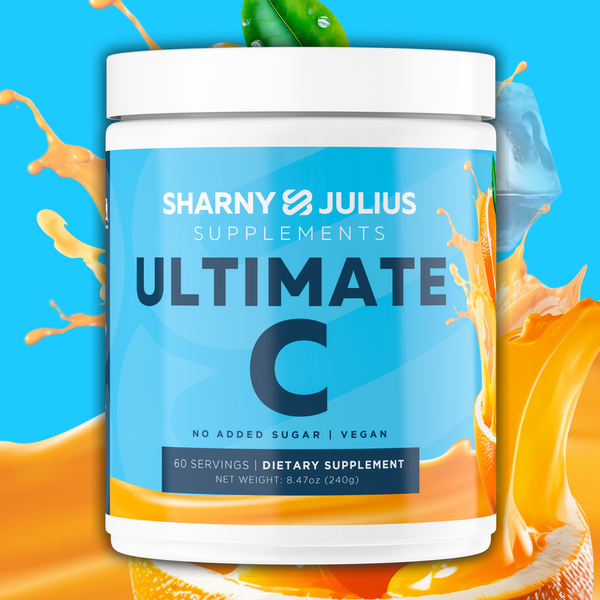
S&J Ultimate C
Triple-form vitamin C · Zero calories · Zero sugar · Family-safe
Why Age-Related Eye Health Decline Affects Your Overall Health
Vitamin C acts as the primary antioxidant defender in your lens and aqueous humor — the clear fluid in your eye's front chamber. As you age, your body's ability to concentrate vitamin C in eye tissues diminishes by up to 60%, leaving delicate structures vulnerable to free radical damage that causes proteins to clump together, forming cataracts.
According to the National Eye Institute's AREDS2 study, antioxidant supplementation including vitamin C reduced the risk of advanced macular degeneration by 25% in high-risk patients. The mechanism is clear: vitamin C neutralizes reactive oxygen species before they can damage the light-sensitive cells in your macula and retina. Without adequate protection, these cells die off, creating blind spots that expand over time.
The zinc component is equally critical — your retina contains the highest concentration of zinc in your body, and deficiency directly correlates with night blindness and macular degeneration progression. Yet most seniors have suboptimal zinc status, compounding their vulnerability to vision loss.
What Actually Works for Senior Eye Health Protection
Here's what genuinely protects aging eyes from oxidative damage:
1. Eat dark leafy greens daily — spinach, kale, and collards provide lutein and zeaxanthin that concentrate in your macula as natural blue light filters.
2. Wear UV-blocking sunglasses consistently — cumulative UV exposure accelerates cataract formation and macular damage, even on cloudy days.
3. Control blood sugar levels — diabetes dramatically increases cataract risk and can cause diabetic retinopathy that damages retinal blood vessels.
4. Choose bioavailable vitamin C supplementation — S&J Ultimate C's triple-form blend (ascorbic acid, sodium ascorbate, and calcium ascorbate) provides three different absorption pathways, ensuring maximum uptake without stomach irritation that forces many seniors to skip doses.
5. Include zinc and bioflavonoids — Ultimate C combines zinc for retinal health with citrus bioflavonoids that enhance vitamin C absorption and extend its protective activity in eye tissues. The natural orange flavor makes daily compliance enjoyable, while zero sugar protects against diabetes-related eye complications.
Senior Eye Health and Vitamin C FAQ
Does vitamin C protect against cataracts?
Yes, vitamin C significantly reduces cataract risk by protecting lens proteins from oxidative damage. Higher vitamin C intake correlates with 20-30% lower cataract incidence in multiple studies, as it maintains lens transparency by neutralizing free radicals that cause protein clumping.
Can vitamin C prevent macular degeneration?
Vitamin C helps slow macular degeneration progression but cannot completely prevent it. The AREDS2 formula including vitamin C reduced advanced AMD risk by 25% in high-risk patients by protecting retinal cells from oxidative stress and supporting healthy blood vessel function.
What vitamins are good for aging eyes?
Key vitamins for aging eyes include vitamin C for lens protection, vitamin E for cell membrane stability, zinc for retinal function, and lutein/zeaxanthin for macular health. The AREDS2 study proved this combination significantly slows age-related eye disease progression in seniors.
Upgrade Your Eye Health Protection
Don't let poor absorption or stomach upset compromise your vision protection. Ultimate C's triple-form vitamin C with citrus bioflavonoids ensures maximum bioavailability, while zinc supports retinal health — all in a gentle, natural orange formula that tastes like fresh juice and contains zero sugar to protect against diabetes-related eye complications.
Shop Ultimate C