


Vitamin C helps manage mast cell activation by degrading excess histamine while citrus bioflavonoids directly stabilize overactive mast cells to reduce inflammatory responses. If you've been struggling with mast cell activation syndrome (MCAS), you've probably discovered that standard vitamin C tablets often fall short or even trigger reactions due to their acidic nature. According to the Journal of Allergy and Clinical Immunology, mast cell disorders affect up to 17% of the population, yet most people don't realize that the form of vitamin C matters enormously for sensitive individuals. The harsh ascorbic acid in typical supplements can actually irritate already reactive systems, while buffered forms provide the histamine-degrading benefits without the inflammatory trigger.
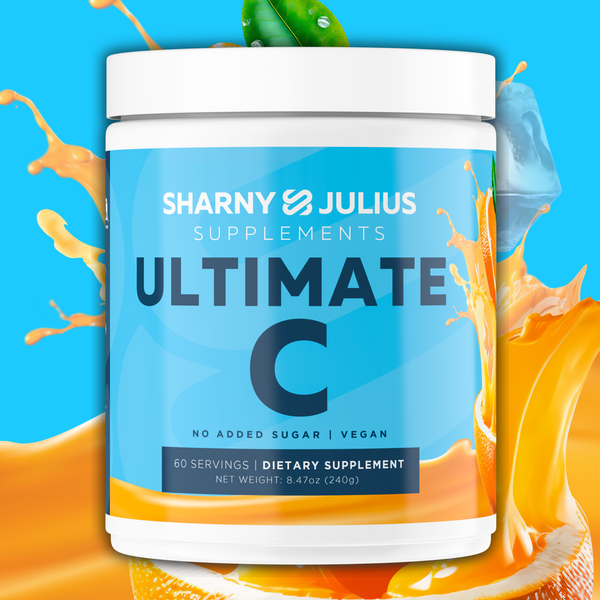
S&J Ultimate C
Triple-form vitamin C · Zero calories · Zero sugar · Family-safe
Why researching supplements for mast cell activation syndrome Affects Your Immunity
When mast cells become hyperactive, they release excessive histamine and inflammatory mediators that create a cascade of symptoms from skin reactions to digestive issues and respiratory problems. Your immune system becomes trapped in a constant state of alert, responding to triggers that shouldn't cause reactions. Vitamin C works through two crucial pathways: it directly degrades circulating histamine that's already been released, while citrus bioflavonoids like quercetin prevent mast cells from degranulating in the first place. However, most people with MCAS find that acidic vitamin C supplements actually worsen their symptoms because the harsh ascorbic acid can trigger the very mast cell reactions they're trying to calm. According to Clinical Reviews in Allergy & Immunology, individuals with mast cell disorders require 3-5 times more vitamin C than healthy individuals to maintain optimal histamine metabolism, making supplement quality absolutely critical.
What Actually Works for allergy-support researching supplements for mast cell activation syndrome
Here's what actually moves the needle for mast cell stability:
- Choose buffered vitamin C forms: Sodium ascorbate and calcium ascorbate provide the histamine-degrading benefits without triggering acid-sensitive mast cells, unlike harsh ascorbic acid alone.
- Time your doses strategically: Take vitamin C away from known triggers and consider split dosing throughout the day for sustained histamine control.
- Include natural mast cell stabilizers: Citrus bioflavonoids, particularly quercetin, directly inhibit mast cell degranulation and enhance vitamin C absorption.
- Use a triple-form approach: S&J Ultimate C combines ascorbic acid for potency, sodium ascorbate for gentle absorption, and calcium ascorbate for stomach comfort—giving you three absorption pathways without the harsh acidity that triggers sensitive individuals.
- Add complementary nutrients: The rosehip extract and zinc in Ultimate C provide additional natural vitamin C plus immune-stabilizing cofactors, while the natural orange flavour contains no artificial triggers—just one scoop in water daily, with zero sugar and zero calories to fit any elimination diet.
allergy-support researching supplements for mast cell activation syndrome FAQ
Does vitamin C help mast cell activation syndrome?
Yes, vitamin C helps MCAS by degrading excess histamine and reducing inflammatory mediators released by overactive mast cells. However, buffered forms like sodium ascorbate and calcium ascorbate work better than acidic ascorbic acid alone, which can trigger reactions in sensitive individuals.
What supplements stabilize mast cells?
Citrus bioflavonoids, particularly quercetin, directly stabilize mast cells and prevent degranulation, while buffered vitamin C degrades circulating histamine. Combining both approaches—like vitamin C with natural bioflavonoids—provides comprehensive mast cell support without triggering acid-sensitive reactions.
Can natural supplements help MCAS?
Natural supplements can significantly help MCAS when properly formulated. Buffered vitamin C forms, citrus bioflavonoids, and rosehip extract work synergistically to degrade histamine and stabilize mast cells, while avoiding artificial additives and harsh acids that commonly trigger sensitive individuals.
Upgrade Your Immunity
If you're managing mast cell activation, you need vitamin C that works with your sensitive system, not against it. Ultimate C delivers triple-form vitamin C with gentle sodium ascorbate and calcium ascorbate alongside potent ascorbic acid, enhanced by mast cell-stabilizing citrus bioflavonoids and natural rosehip extract, plus zinc for immune enzyme support—all with zero sugar, zero calories, and a natural orange flavour that tastes like orange juice without artificial triggers.
Shop Ultimate C