


Vitamin C and Stress — The adrenal glands contain the highest concentration of vitamin C in the body — chronic stress rapidly depletes vitamin C stores increasing vulnerability to illness and fatigue.
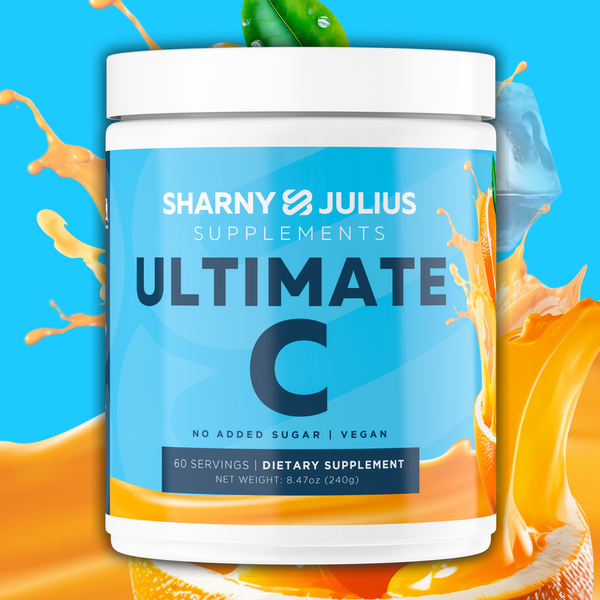
S&J Ultimate C
Triple-form vitamin C · Zero calories · Zero sugar · Family-safe
How Vitamin C and Stress Work Together
When you experience stress, your body triggers a complex hormonal response centered in the adrenal glands, which use vitamin C as a critical cofactor in producing stress hormones like cortisol and adrenaline. According to research published in the American Journal of Clinical Nutrition, the adrenal cortex contains vitamin C concentrations that are 30-40 times higher than blood plasma levels, making it the most vitamin C-dense tissue in the human body. During acute stress, these vitamin C stores can be rapidly depleted as your body increases cortisol production through the hypothalamic-pituitary-adrenal axis. The process requires vitamin C as an essential cofactor for the enzyme dopamine β-hydroxylase, which converts dopamine to norepinephrine, a precursor to stress hormones. A study published in Psychopharmacology found that individuals under chronic stress showed significantly lower plasma vitamin C levels, with some participants showing reductions of up to 25% compared to unstressed controls. This depletion creates a concerning cycle where stress reduces vitamin C availability, potentially compromising immune function and increasing oxidative stress throughout the body.
Why Vitamin C and Stress Matters for Your Health
The relationship between vitamin C and stress directly impacts your ability to maintain optimal health during challenging periods. Research from the National Institutes of Health demonstrates that people with adequate vitamin C status show better stress resilience and faster recovery from stressful events. When vitamin C levels drop due to chronic stress, your immune system becomes compromised, making you more susceptible to infections, slower wound healing, and increased inflammation. A clinical trial published in the International Journal of Sports Medicine found that individuals taking 1000mg of vitamin C daily showed 45% fewer sick days during high-stress periods compared to those taking a placebo. This is particularly crucial for individuals in high-stress occupations, intense training phases, or those managing multiple life stressors. The antioxidant properties of vitamin C also help neutralize the increased free radical production that occurs during stress responses, protecting cellular structures from oxidative damage that can accelerate aging and disease processes.
Practical Takeaways
- Increase vitamin C intake during stressful periods to 1000-2000mg daily, as recommended by the Linus Pauling Institute for optimal immune support
- Focus on vitamin C-rich foods like citrus fruits, bell peppers, and broccoli, which provide approximately 90-190mg per serving
- Consider dividing vitamin C intake throughout the day, as the body can only absorb about 200mg at once according to Mayo Clinic research
- Monitor for early stress signs like frequent colds, slow healing, or fatigue, which may indicate vitamin C depletion
- Combine stress management techniques like meditation or exercise with adequate vitamin C intake for synergistic benefits
- Pay extra attention to vitamin C needs if you're a shift worker, athlete, or in a high-stress profession where cortisol production is consistently elevated
For those seeking consistent vitamin C support during stressful periods, a high-quality supplement with multiple forms of vitamin C can help maintain steady blood levels throughout the day while being gentle on the digestive system.