


Vitamin C and Collagen — Vitamin C is an essential cofactor for collagen synthesis, serving as a critical component in the enzymatic processes that create and stabilize collagen. Without adequate vitamin C, the body cannot produce structurally sound collagen, leading to weakened skin, compromised joint integrity, and deteriorated connective tissue throughout the body.
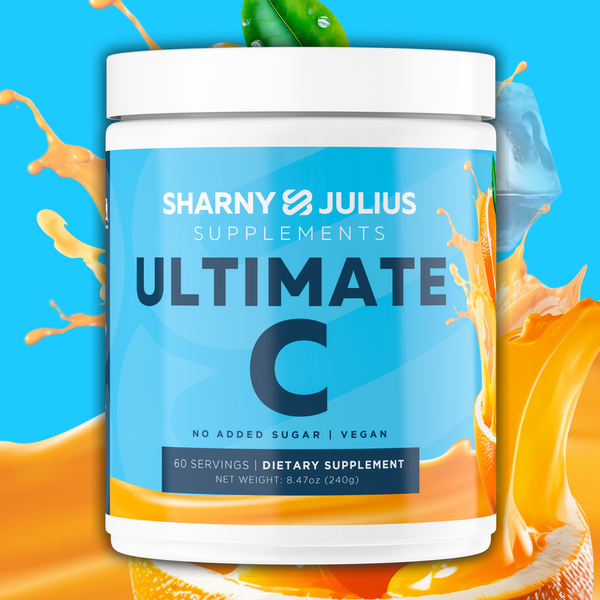
S&J Ultimate C
Triple-form vitamin C · Zero calories · Zero sugar · Family-safe
How Vitamin C and Collagen Work Together
Vitamin C functions as an essential cofactor for two key enzymes in collagen production: prolyl 4-hydroxylase and lysyl hydroxylase. These enzymes hydroxylate the amino acids proline and lysine within collagen chains, creating hydroxyproline and hydroxylysine. This hydroxylation process is absolutely critical because it allows collagen molecules to form stable triple helix structures that give tissues their strength and flexibility. According to research published in the American Journal of Clinical Nutrition, vitamin C deficiency can reduce collagen synthesis by up to 60% within just two weeks. The process requires vitamin C to be continuously present, as the body cannot store this water-soluble vitamin for extended periods. A study published in the Journal of Nutritional Biochemistry found that optimal collagen synthesis occurs when vitamin C blood levels reach 50-75 micromoles per liter. Without sufficient vitamin C, newly formed collagen becomes unstable and degrades rapidly, leading to the characteristic symptoms of scurvy including bleeding gums, poor wound healing, and joint pain that historically plagued sailors on long voyages.
Why Vitamin C and Collagen Matter for Your Health
The vitamin C-collagen relationship directly impacts multiple aspects of health and performance that matter to active individuals and anyone concerned with aging gracefully. Collagen represents approximately 30% of all protein in the human body and is the primary structural component of skin, tendons, ligaments, blood vessels, and bones. Research from Harvard Medical School shows that collagen production naturally declines by 1-2% per year after age 25, making adequate vitamin C intake increasingly important with age. For athletes and fitness enthusiasts, this relationship becomes even more critical as intense training increases collagen turnover and repair demands. A study published in the International Journal of Sports Medicine found that athletes with higher vitamin C intake showed 23% better recovery from exercise-induced muscle damage compared to those with marginal vitamin C status. The practical implications extend to everyday concerns like skin elasticity, joint comfort during movement, and the body's ability to recover from minor injuries and daily wear.
Practical Takeaways
- Aim for the recommended daily intake of 90mg vitamin C for men and 75mg for women, though the National Institutes of Health notes that smokers need an additional 35mg daily due to increased oxidative stress
- Consume vitamin C-rich foods throughout the day rather than in one large dose, as the body can only absorb approximately 200mg at a time before reaching saturation
- Consider timing vitamin C intake around workouts, as research suggests collagen synthesis peaks 6-24 hours post-exercise when repair processes are most active
- Include both dietary sources like citrus fruits, bell peppers, and strawberries alongside supplementation for comprehensive coverage
- Monitor signs of inadequate vitamin C such as slow wound healing, easy bruising, or joint stiffness, which may indicate compromised collagen synthesis
- Maintain consistent intake rather than sporadic high doses, as the World Health Organization emphasizes that steady vitamin C levels support optimal collagen production more effectively than irregular supplementation
This is why we developed S&J Ultimate C with three complementary forms of vitamin C including pharmaceutical-grade ascorbic acid for maximum potency, ensuring your body has the consistent vitamin C availability needed for optimal collagen synthesis and tissue repair.