


Protein for Muscle Recovery — the process by which dietary protein supplies amino acids to repair exercise-induced muscle damage and stimulate new muscle tissue growth. Optimal recovery depends on consuming adequate protein, particularly sources rich in essential amino acids, within the hours following exercise to maximize the rate of muscle protein synthesis and reduce soreness.
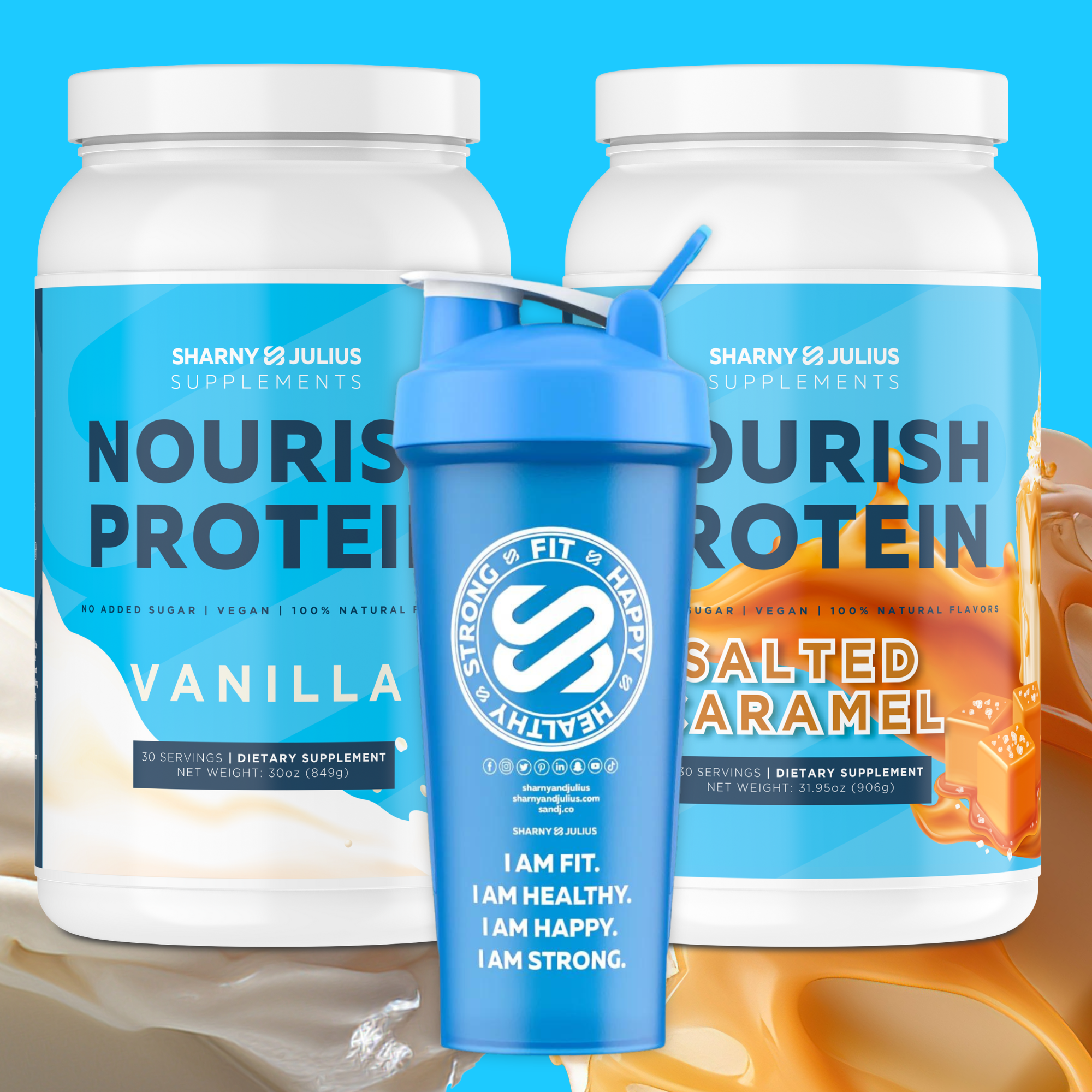
S&J Nourish™ Plant Protein
20g protein · All 9 EAAs · Free from all 9 allergens · NSF Certified
How Protein Supports Muscle Recovery
During resistance exercise and high-intensity training, mechanical tension and metabolic stress create microscopic tears in muscle fibers. This controlled damage triggers an inflammatory repair cascade in which satellite cells activate, fuse with damaged fibers, and begin synthesizing new contractile proteins. The raw materials for this repair process are amino acids, particularly the nine essential amino acids your body cannot produce internally.
Muscle protein synthesis (MPS), the biological process of building new muscle protein, is the primary mechanism through which recovery occurs. According to a 2013 study published in the Journal of the International Society of Sports Nutrition, MPS rates increase by approximately 50% at 4 hours post-exercise and by up to 109% at 24 hours, remaining elevated for 24-48 hours depending on training intensity. Leucine, one of the three branched-chain amino acids, acts as the primary trigger for MPS by activating the mechanistic target of rapamycin (mTOR) signaling pathway. Research published in the American Journal of Clinical Nutrition (2015) found that a leucine threshold of 2-3 grams per meal is required to maximally stimulate this pathway.
The rate and completeness of recovery also depends on total daily protein intake. A 2018 meta-analysis in the British Journal of Sports Medicine, examining 49 studies with 1,863 participants, concluded that protein supplementation significantly enhances gains in muscle strength and size during resistance training, with benefits plateauing at approximately 1.6 grams of protein per kilogram of body weight per day.
Why Protein for Muscle Recovery Matters for Your Health
Effective muscle recovery extends well beyond athletic performance. For women over 40 experiencing perimenopause, declining estrogen levels accelerate the rate of muscle protein breakdown. According to the National Institutes of Health, adults lose 3-8% of lean muscle mass per decade after age 30, a process called sarcopenia that accelerates after menopause. Consistent protein intake adequate for recovery helps counteract this decline, preserving metabolic rate, bone density, and functional independence.
Poor recovery creates a compounding problem. A 2020 study in the journal Medicine and Science in Sports and Exercise found that individuals who consistently failed to meet post-exercise protein recommendations experienced 23% slower recovery of muscle force production compared to those meeting intake targets. Prolonged soreness, increased injury risk, training plateaus, and fatigue are all signs of inadequate recovery nutrition. For anyone balancing fitness with a demanding schedule, optimizing protein intake per meal is one of the most efficient strategies to maximize returns from limited training time.
Practical Takeaways
- Consume 20-40 grams of high-quality protein containing all nine essential amino acids within two hours after resistance training. The American College of Sports Medicine recommends this range based on body size and exercise intensity.
- Distribute protein intake across 3-4 meals per day, targeting 0.4-0.55 grams per kilogram of body weight per meal, as recommended in a 2018 position statement from the Journal of the International Society of Sports Nutrition.
- Do not skip protein on rest days. Muscle protein synthesis remains elevated for up to 48 hours post-exercise, so recovery nutrition matters beyond the immediate post-workout window.
- Pair post-workout protein with 30-60 grams of carbohydrates to enhance insulin-mediated amino acid uptake and replenish glycogen stores.
- Track recovery quality: persistent muscle soreness lasting beyond 72 hours, declining performance, or chronic fatigue may indicate insufficient protein intake or overall caloric deficit.
S&J Nourish™ plant-based protein by S&J Luxury Fitness delivers 20g of protein with all nine essential amino acids from pea protein isolate, offering a convenient post-workout option that is free from dairy and all major allergens.