


Leucine is the most important branched-chain amino acid for triggering muscle protein synthesis and the key amino acid for muscle growth and recovery. As one of the nine essential amino acids your body cannot produce on its own, leucine must come from dietary protein sources and serves as the primary signal that tells your muscles to start building new tissue.
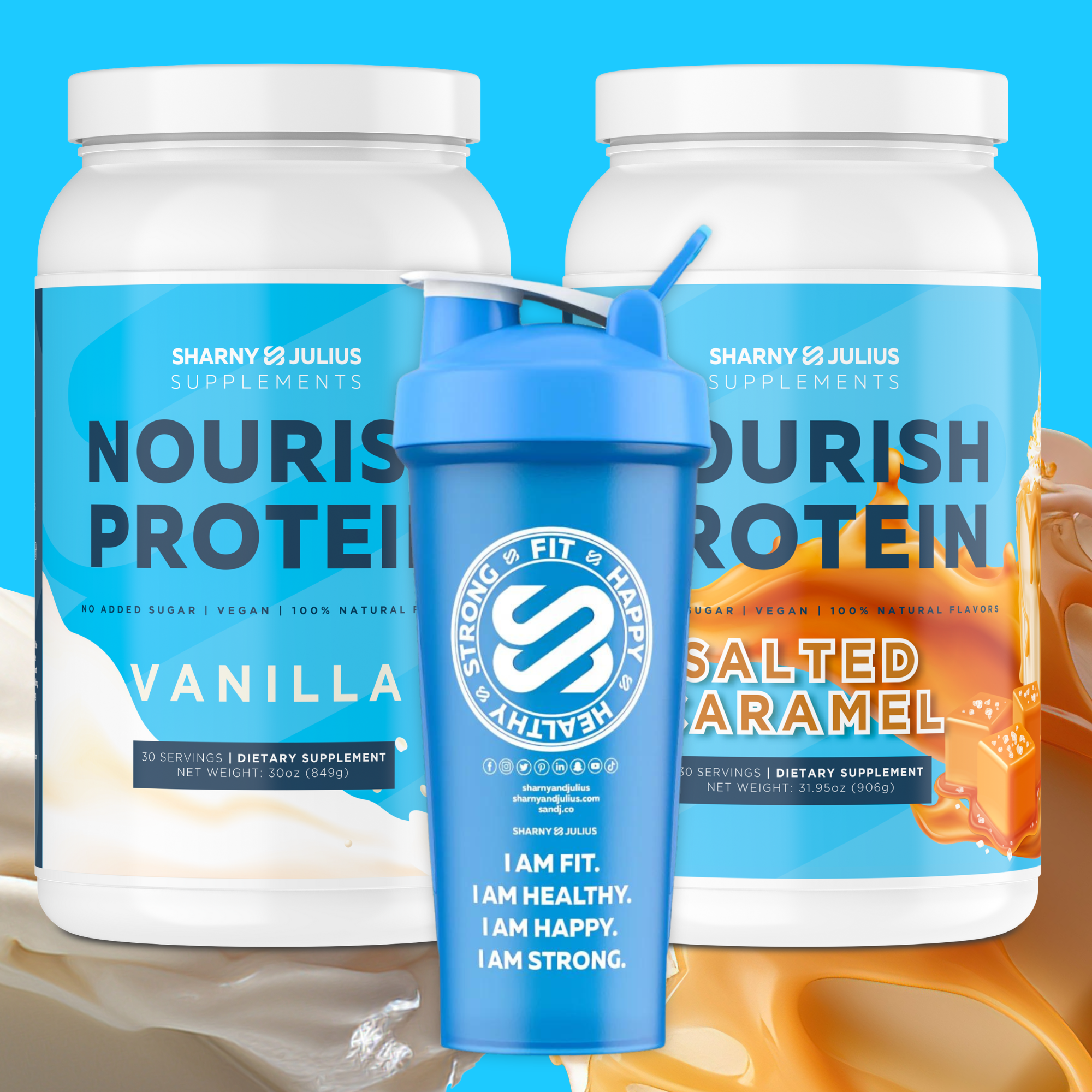
S&J Nourish™ Plant Protein
20g protein · All 9 EAAs · Free from all 9 allergens · NSF Certified
How Leucine Works
Leucine functions as both a building block for muscle protein and a powerful signaling molecule. It directly activates the mTOR (mechanistic target of rapamycin) pathway, the central regulator of muscle protein synthesis. When leucine concentrations in the blood reach a critical threshold, mTOR switches on and initiates the cellular machinery needed to assemble new muscle proteins.
Research published in The Journal of Nutrition established that a leucine threshold of approximately 2 to 3 grams per meal is required to maximally activate the mTOR signaling cascade (Norton & Layman, 2006, J Nutr, 136(2):533S-537S). Below this threshold, the muscle-building response is significantly diminished, which is why protein quality — not just quantity — matters for recovery and growth.
A meta-analysis in the British Journal of Sports Medicine found that leucine-enriched protein supplementation increased lean body mass gains by an average of 0.6 kg over 12 weeks compared to protein without additional leucine, particularly in older adults undergoing resistance training (Komar et al., 2015, Nutr Rev, 73(1):23-31). This effect is attributed to leucine's unique ability to overcome anabolic resistance, the blunted MPS response that occurs with aging.
Among the three BCAAs, leucine is uniquely potent. While isoleucine and valine contribute to energy metabolism and other functions, only leucine has a direct and dominant effect on initiating muscle protein synthesis through the mTOR pathway.
Why Leucine Matters for Your Health
Leucine is critical at every stage of life. For athletes and active individuals, it determines how quickly and effectively muscles recover from training. For older adults, leucine intake is a key factor in preventing sarcopenia — age-related muscle loss that contributes to falls, frailty, and reduced quality of life.
A study in the American Journal of Clinical Nutrition showed that older adults required 40 grams of protein (containing roughly 3.5 grams of leucine) to achieve the same MPS response that younger adults experienced with just 20 grams (Yang et al., 2012, AJCN, 96(6):1454-1464). This suggests that selecting leucine-rich protein sources becomes even more important as you age.
Plant-based protein sources vary widely in leucine content. Pea protein isolate is among the highest plant-based sources, delivering approximately 1.6 grams of leucine per 20-gram serving, while rice protein and hemp protein deliver less. Choosing protein sources with adequate leucine ensures each meal effectively signals muscle repair.
Practical Takeaways
- Aim for 2 to 3 grams of leucine per meal to trigger maximal muscle protein synthesis.
- High leucine sources include whey protein, pea protein isolate, eggs, chicken, and soybeans.
- Distribute leucine-rich meals evenly across the day — 3 to 4 servings — rather than relying on one large protein meal.
- Older adults should target the higher end of protein recommendations (30 to 40 grams per meal) to meet the leucine threshold.
- After resistance exercise, prioritize a leucine-rich protein source within 2 hours for optimal recovery.
S&J Nourish™ by S&J Luxury Fitness uses pea protein isolate — one of the richest plant-based sources of leucine — and provides all nine essential amino acids in every 20g serving. See full details at the Nourish™ product page.