


Branched-chain amino acids (BCAAs) are the three essential amino acids — leucine, isoleucine, and valine — that play a critical role in muscle building, recovery, and exercise performance. Named for their branched molecular structure, BCAAs are unique among amino acids because they are metabolized directly in muscle tissue rather than in the liver, giving them a direct role in fueling and repairing working muscles.
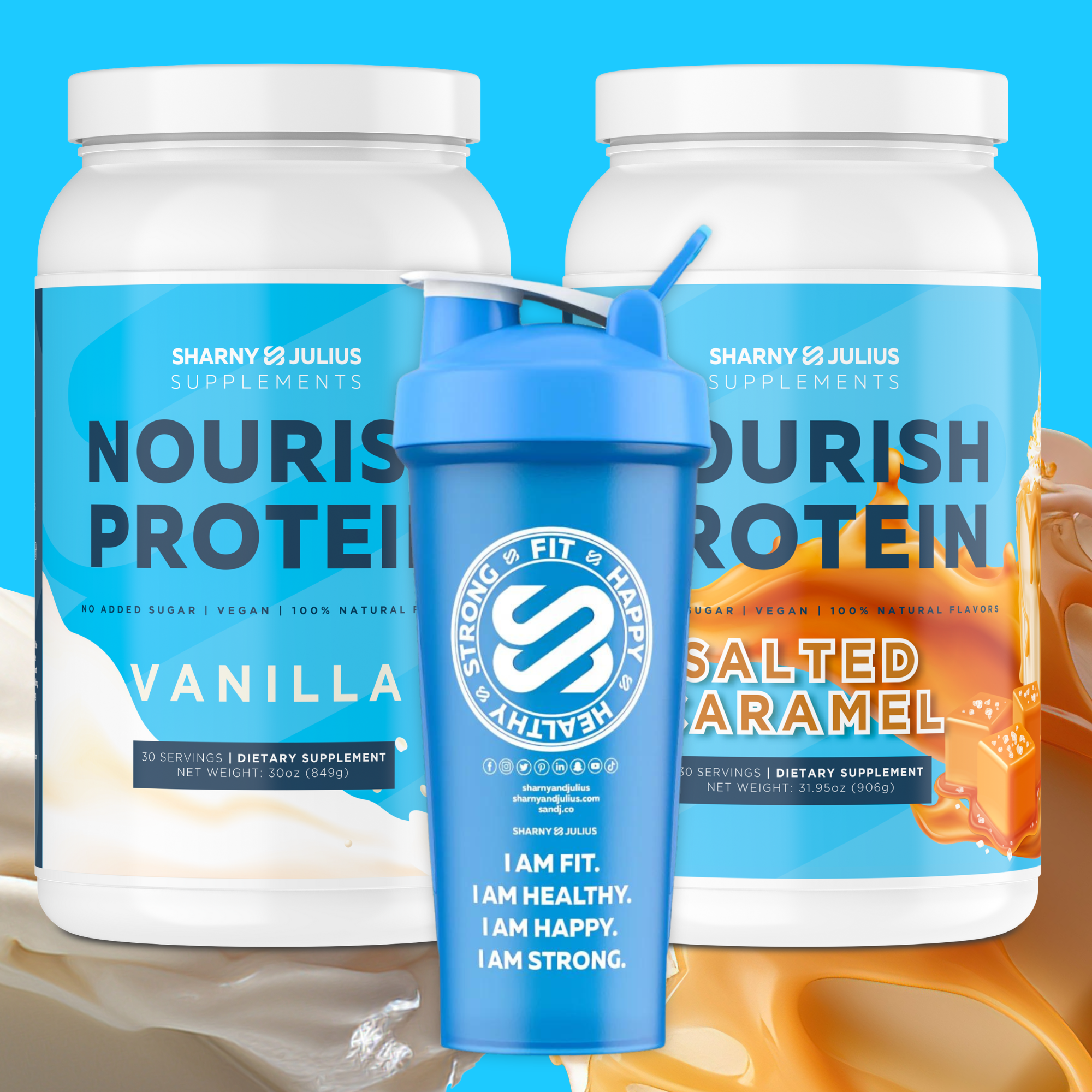
S&J Nourish™ Plant Protein
20g protein · All 9 EAAs · Free from all 9 allergens · NSF Certified
How BCAAs Work
BCAAs account for approximately 35 percent of the essential amino acids found in muscle protein and roughly 14 to 18 percent of total amino acids in skeletal muscle tissue (Shimomura et al., 2006, J Nutr, 136(2):529S-532S). Unlike other amino acids that must pass through the liver for processing, BCAAs are oxidized directly in muscle fibers, which allows them to serve as an immediate energy substrate during prolonged or intense exercise.
Each of the three BCAAs has a distinct primary function. Leucine is the most potent activator of the mTOR pathway and drives muscle protein synthesis. Isoleucine enhances glucose uptake into muscle cells and supports energy production during exercise. Valine competes with tryptophan for transport across the blood-brain barrier, which may help delay the perception of central fatigue during endurance activities.
A systematic review in the Journal of the International Society of Sports Nutrition found that BCAA supplementation reduced exercise-induced muscle damage markers by an average of 22 percent and decreased ratings of perceived soreness by up to 33 percent when consumed before or after resistance training (Rahimi et al., 2017, JISSN, 14:51). However, the researchers emphasized that these benefits are most pronounced when overall daily protein intake is insufficient, and that consuming complete protein sources — which naturally contain BCAAs alongside all other essential amino acids — is more effective than isolated BCAA supplements.
Why BCAAs Matter for Your Health
BCAAs are essential nutrients, meaning your body cannot synthesize them. They must come from food or supplements. Beyond muscle performance, BCAAs support immune function, blood sugar regulation, and neurotransmitter production.
A prospective study published in Cell Metabolism involving over 2,000 participants found that adequate BCAA intake was associated with lower rates of age-related muscle wasting and improved metabolic markers including insulin sensitivity (Zheng et al., 2016, Cell Metab, 24(2):373-374). During caloric restriction or dieting phases, BCAAs help preserve lean muscle mass, which is critical for maintaining metabolic rate and preventing the "skinny fat" outcome of losing both fat and muscle simultaneously.
For vegetarians and vegans, ensuring adequate BCAA intake requires attention to protein source selection. Plant proteins vary significantly in their BCAA profiles, making complete amino acid coverage a practical concern that targeted protein choices can address.
Practical Takeaways
- The recommended BCAA ratio is 2:1:1 (leucine to isoleucine to valine), which mirrors the ratio found naturally in muscle tissue.
- Aim for a total daily BCAA intake of 10 to 20 grams if you train regularly, distributed across meals.
- Prioritize complete protein sources (meat, eggs, dairy, soy, pea protein isolate) over isolated BCAA supplements for better overall results.
- Consume a BCAA-rich protein source 1 to 2 hours before or immediately after training to reduce muscle damage and soreness.
- During extended fasting or very low-calorie diets, BCAAs between meals may help preserve muscle mass.
- Plant-based athletes should track BCAA intake and select higher-BCAA sources like pea protein, soy, and lentils.
S&J Nourish™ plant-based protein by S&J Luxury Fitness is built on pea protein isolate, which naturally delivers all three BCAAs — including leucine — alongside every other essential amino acid in a single allergen-free serving. Details at the Nourish™ product page.