


How Much Protein Do Women Need — daily protein requirements for women vary by age, activity level, and life stage, ranging from 0.8 grams per kilogram of body weight for sedentary adults up to 2.0 grams per kilogram for highly active women. Meeting the right target supports muscle maintenance, bone health, hormone production, and metabolic function across every phase of life.
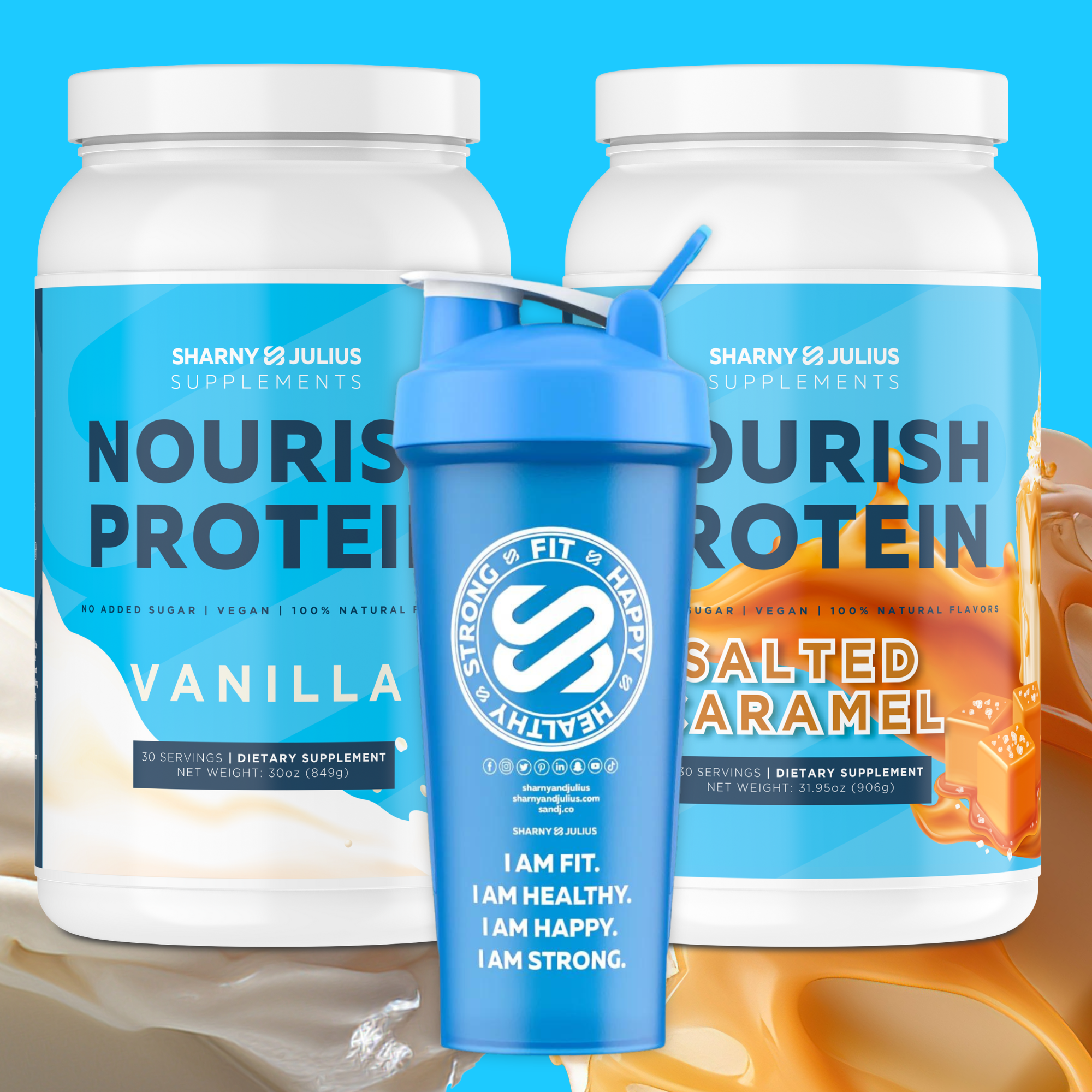
S&J Nourish™ Plant Protein
20g protein · All 9 EAAs · Free from all 9 allergens · NSF Certified
Understanding Women's Protein Needs
The Recommended Dietary Allowance (RDA) set by the National Academies of Sciences, Engineering, and Medicine places the minimum protein intake for adult women at 0.8 grams per kilogram of body weight per day, translating to approximately 46 grams daily for a sedentary 125-pound woman. However, a growing body of research indicates this baseline is insufficient for optimal health in most active women.
A 2020 position stand from the International Society of Sports Nutrition recommends that physically active women consume 1.4-2.0 grams of protein per kilogram of body weight daily to support muscle repair, immune function, and training adaptations. For a 140-pound (64 kg) woman who exercises regularly, this translates to 90-128 grams of protein per day. According to NHANES data analyzed by the American Journal of Clinical Nutrition (2018), the average American woman consumes approximately 69 grams of protein daily, falling significantly short of recommendations for active individuals.
Life stage creates additional variation. Research published in the journal Nutrients (2019) found that women over 50 require higher per-meal protein doses (30-40 grams rather than 20-25 grams) to achieve the same muscle protein synthesis response as younger women, due to a phenomenon called anabolic resistance. During pregnancy, the American College of Obstetricians and Gynecologists recommends an additional 25 grams of protein per day beyond baseline needs, and breastfeeding women need approximately 65 grams daily at minimum to support milk production without depleting lean tissue.
Why Adequate Protein Intake Matters for Women's Health
Protein intake directly influences three areas of particular concern for women: body composition, bone health, and hormonal transitions. According to the National Institutes of Health, women lose muscle mass at a rate of 3-8% per decade after age 30, with an acceleration during perimenopause and menopause as estrogen levels decline. Adequate protein slows this loss by providing the amino acid substrate needed to maintain muscle tissue.
Protein also plays a critical role in weight management. A 2015 study in the American Journal of Clinical Nutrition found that increasing protein intake from 15% to 30% of total calories resulted in participants spontaneously consuming 441 fewer calories per day due to increased satiety, without deliberate calorie restriction. Additionally, protein has the highest thermic effect of any macronutrient: your body expends approximately 20-30% of protein calories during digestion, compared to 5-10% for carbohydrates and 0-3% for fats, according to research published in the Journal of the American College of Nutrition.
Practical Takeaways
- Calculate your personal target: multiply your body weight in kilograms by 0.8 for sedentary baseline, 1.2-1.6 for moderate activity, or 1.6-2.0 for intense training. For a 140-pound woman, this ranges from 51 to 128 grams daily.
- Distribute protein across 3-4 meals per day, aiming for 20-40 grams per meal. Research from the Journal of the International Society of Sports Nutrition (2018) shows that even distribution maximizes muscle protein synthesis better than skewing intake toward dinner.
- If you are over 50, target the higher end of per-meal protein (30-40 grams) to overcome age-related anabolic resistance, as recommended in research published in the journal Nutrients.
- Prioritize protein at breakfast, where intake tends to be lowest. A 2021 study in Cell Reports found that morning protein intake was more strongly associated with muscle growth than evening intake.
- Track your intake for one week using a food diary or app to identify gaps. Many women discover they under-consume protein by 20-40 grams relative to their activity-adjusted target.
For women looking to close protein gaps conveniently, S&J Nourish™ by S&J Luxury Fitness provides 20g of complete plant-based protein per serving, free from all major allergens and NSF Certified for purity.