


Water-Soluble Vitamins are nutrients that dissolve in water and cannot be stored in significant amounts by the body, requiring daily replenishment through diet or supplementation. This group includes vitamin C and all eight B vitamins (thiamine, riboflavin, niacin, pantothenic acid, pyridoxine, biotin, folate, and cobalamin).
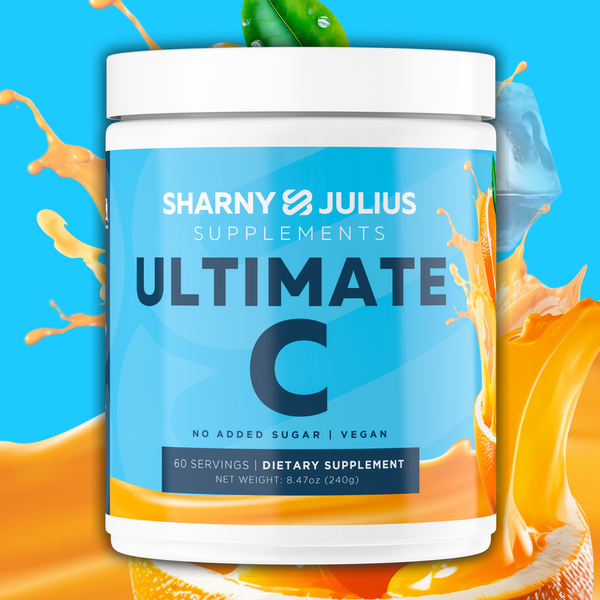
S&J Ultimate C
Triple-form vitamin C · Zero calories · Zero sugar · Family-safe
How Water-Soluble Vitamins Work
Water-soluble vitamins function fundamentally differently from fat-soluble vitamins due to their molecular structure and absorption pathway. When consumed, these vitamins dissolve in the water content of food and enter the bloodstream directly through the small intestine. According to the National Institutes of Health, water-soluble vitamins are absorbed into the portal circulation and travel directly to the liver, where they're either used immediately or excreted through urine within 24-48 hours.
Unlike fat-soluble vitamins A, D, E, and K, water-soluble vitamins cannot be stored in fatty tissues or the liver in meaningful quantities. Research published in the American Journal of Clinical Nutrition shows that vitamin C stores in the body are depleted within 30-40 days without dietary intake. The B vitamins have even shorter retention times, with most being eliminated within hours to days. This rapid turnover occurs because these vitamins exceed the renal threshold quickly—the kidneys filter out excess amounts to prevent toxicity, but this also means daily replenishment is essential for optimal cellular function.
Why Water-Soluble Vitamins Matter for Your Health
Water-soluble vitamins are crucial because they serve as coenzymes in essential metabolic processes that occur continuously in your body. Vitamin C, for example, is required for collagen synthesis, immune function, and iron absorption, while B vitamins facilitate energy production from macronutrients. A study published in the Journal of the American College of Nutrition found that even marginal deficiencies in water-soluble vitamins can reduce immune function by up to 25% and impair energy metabolism.
The inability to store these vitamins makes consistent intake particularly important for families and elderly individuals. According to the World Health Organization, approximately 15% of adults over 60 show signs of vitamin B12 deficiency, while vitamin C deficiency affects nearly 7% of the U.S. population. These deficiencies develop gradually but can significantly impact wound healing, cognitive function, and overall vitality.
Practical Takeaways
- Consume water-soluble vitamins daily since your body cannot store them effectively—aim for the recommended daily allowances established by the National Institutes of Health
- Include vitamin C-rich foods like citrus fruits, bell peppers, and strawberries in your daily diet, targeting the RDA of 90mg for men and 75mg for women
- Choose whole grains, leafy greens, and lean proteins to ensure adequate B vitamin intake, as processing can reduce their content by up to 80%
- Time your vitamin intake throughout the day rather than taking large doses at once, as excess amounts are rapidly excreted
- Be aware that certain medications, alcohol consumption, and stress can increase your need for water-soluble vitamins
- Consider supplementation if you follow restrictive diets, are over 50, or have increased physiological demands from exercise or illness
This is why our S&J Ultimate C formula combines three different forms of vitamin C—ensuring optimal absorption and utilization while providing gentle, sustained support that works with your body's natural water-soluble vitamin pathways.