


The best protein powder for pelvic floor recovery provides complete amino acids essential for connective tissue repair, particularly glycine and proline precursors that support collagen synthesis in pelvic floor muscles and fascia. Plant-based pea protein isolate offers these building blocks without the digestive stress that can worsen pelvic floor dysfunction. According to the International Journal of Women's Health, up to 45% of women experience pelvic floor disorders after childbirth, making targeted nutritional support crucial for recovery. With so much conflicting advice about supplements during recovery, you're smart to research which proteins actually support tissue healing rather than just muscle building. The key is choosing a complete protein that's gentle on your digestive system while providing the specific amino acids your pelvic floor needs to rebuild and strengthen.
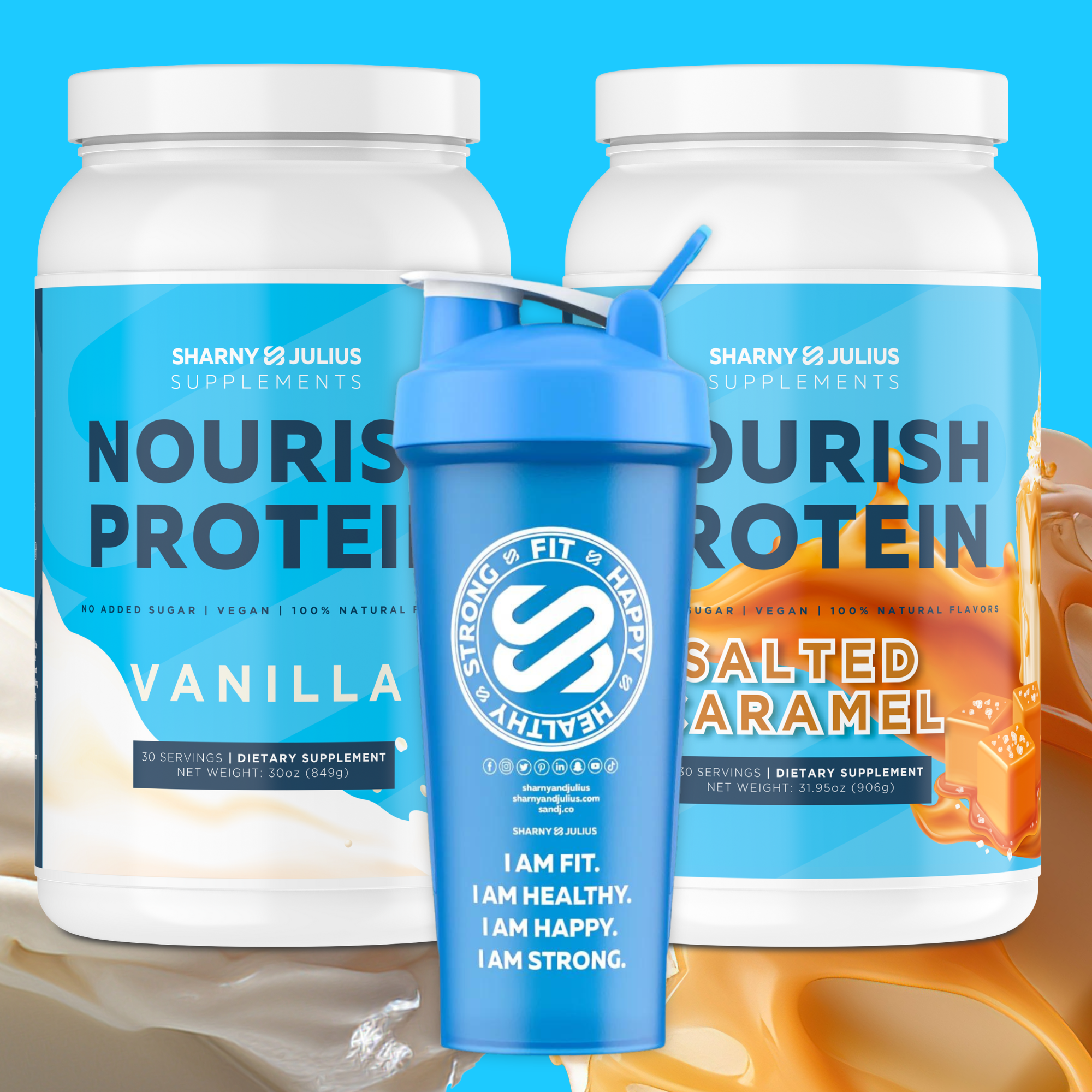
S&J Nourish™ Plant Protein
20g protein · All 9 EAAs · Free from all 9 allergens · NSF Certified
Why Recovery Matters for Pelvic Floor
Your pelvic floor isn't just muscle—it's a complex network of muscles, fascia, ligaments, and connective tissue that requires specific nutrients for proper healing. Pea protein provides the glycine and proline precursors essential for collagen synthesis, which directly supports the rebuilding of fascial tissue and ligaments damaged during childbirth or surgery. Unlike simple muscle recovery, pelvic floor healing requires proteins that support both muscular and connective tissue repair simultaneously. According to the American College of Obstetricians and Gynecologists, proper nutrition significantly impacts recovery outcomes, with inadequate protein intake delaying tissue healing by up to 50%. The challenge is that many protein powders contain ingredients like dairy, artificial additives, or high FODMAP compounds that can trigger digestive issues—and digestive inflammation directly impacts pelvic floor function through the gut-pelvic floor connection. This makes choosing the right protein critical for both tissue repair and avoiding setbacks in your recovery journey.
What to Look for in a Protein for Pelvic Floor
1. Complete amino acid profile: Look for all 9 essential amino acids, especially leucine for muscle protein synthesis and glycine precursors for connective tissue repair. 2. Allergen-free formula: Avoid common inflammatory triggers like dairy, gluten, and soy that can worsen digestive issues and indirectly impact pelvic floor healing. 3. Gentle digestion: Choose proteins that won't cause bloating or digestive stress, which can increase intra-abdominal pressure and strain recovering pelvic floor muscles. 4. Third-party testing: Ensure purity with NSF certification—especially important when your body is healing and more sensitive to contaminants. 5. Adequate protein content: Aim for 20g per serving to meet tissue repair needs without overloading your system. S&J Nourish™ delivers exactly this with 20g of pea protein isolate, all 9 essential amino acids, and a strong BCAA ratio that matches whey. It's free from all 9 major allergens, NSF certified for purity, and 97% of customers report zero bloating—crucial for pelvic floor recovery.
Recovery for Pelvic Floor FAQ
Does protein help pelvic floor recovery?
Yes, protein directly supports pelvic floor recovery by providing amino acids essential for muscle and connective tissue repair. Specifically, proteins containing glycine and proline precursors help rebuild the collagen matrix in fascia and ligaments, while leucine supports muscle protein synthesis in the pelvic floor muscles themselves.
What nutrients support pelvic floor healing?
Complete proteins with all essential amino acids, vitamin C for collagen synthesis, zinc for tissue repair, and magnesium for muscle function are key. Plant-based proteins like pea isolate provide these building blocks while being gentler on digestion, which is crucial since digestive inflammation can worsen pelvic floor dysfunction.
How much protein do I need for pelvic floor repair?
Most women need 1.2-1.6g of protein per kg of body weight daily during pelvic floor recovery, with 20-25g per meal being optimal for tissue repair. This translates to roughly 20g of high-quality protein like pea isolate taken 2-3 times daily alongside whole food sources.
Find Your Protein
Your pelvic floor recovery deserves nutrition that works with your healing, not against it. Nourish™ provides 20g of complete pea protein isolate with all 9 essential amino acids, free from all 9 major allergens, NSF certified for purity, and gentle enough that 97% of customers report zero bloating—perfect for supporting tissue repair while protecting your recovering digestive system.
Shop Nourish