


Nutrition for Pelvic Floor Health — How protein and anti-inflammatory nutrients support pelvic floor muscle repair and recovery. The pelvic floor is a group of muscles and connective tissues that support the bladder, uterus, and rectum, and targeted nutrition plays a critical role in maintaining their strength, elasticity, and ability to recover from pregnancy, surgery, or age-related weakening.
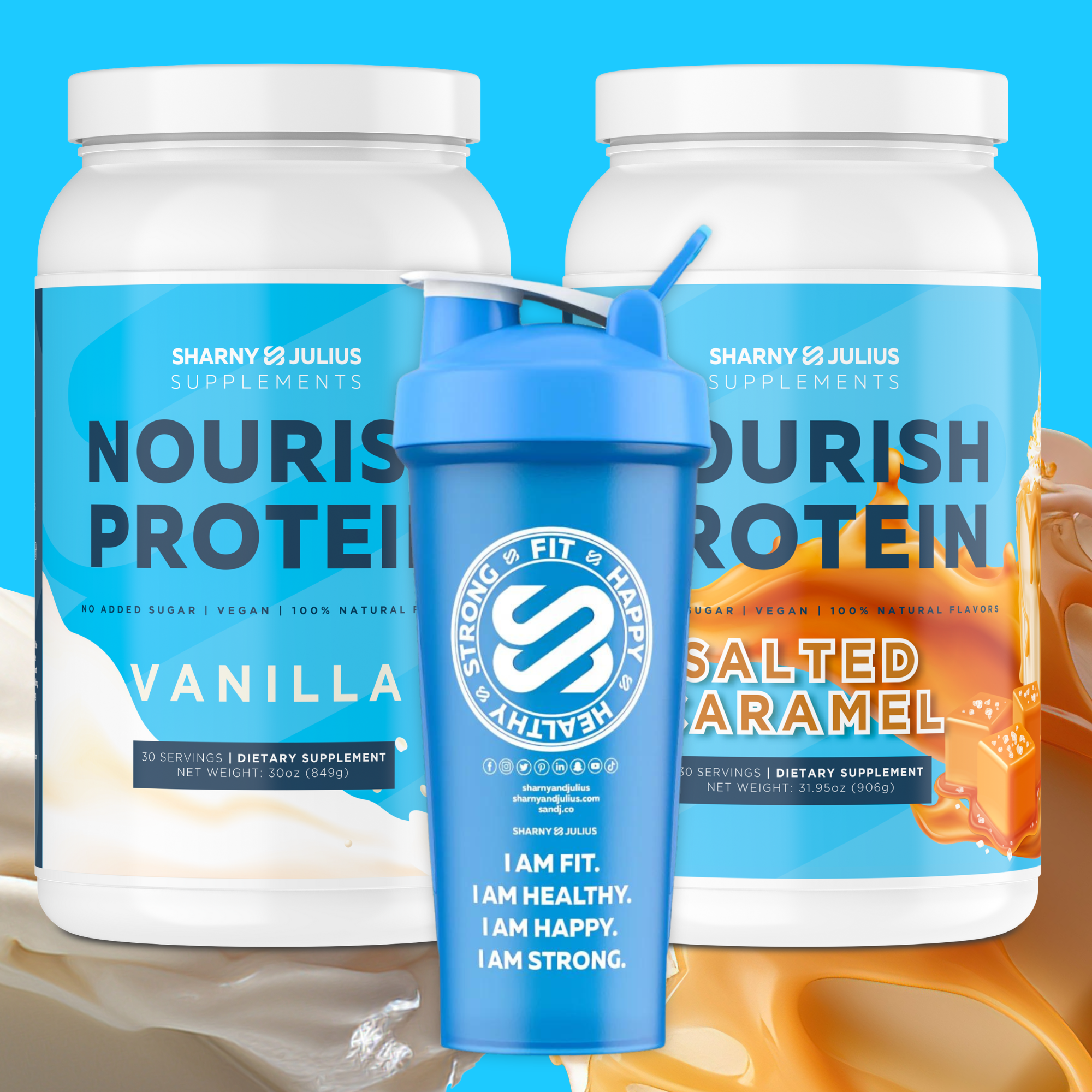
S&J Nourish™ Plant Protein
20g protein · All 9 EAAs · Free from all 9 allergens · NSF Certified
How Pelvic Floor Nutrition Works
The pelvic floor muscles, like all skeletal muscles, depend on adequate protein and specific micronutrients for repair, maintenance, and strengthening. Muscle tissue requires a consistent supply of amino acids to rebuild fibers damaged through childbirth, surgery, chronic strain, or the natural aging process. According to the American College of Obstetricians and Gynecologists (ACOG), pelvic floor disorders affect approximately one in four women in the United States, with prevalence increasing significantly after childbirth and with advancing age.
Protein provides the amino acid building blocks, particularly proline, glycine, and lysine, that are essential for collagen synthesis. Collagen is the primary structural protein in connective tissue and fascia, which forms the support network of the pelvic floor. Research published in the International Urogynecology Journal has shown that women with pelvic organ prolapse often exhibit altered collagen metabolism, suggesting that nutritional support for collagen production may play a role in pelvic floor integrity. Vitamin C is a required cofactor for collagen synthesis, and a study in the American Journal of Clinical Nutrition found that adequate vitamin C intake supports the cross-linking of collagen fibers, which directly contributes to tissue strength and elasticity.
Anti-inflammatory nutrients also play a significant role. Chronic inflammation can weaken connective tissue and impair muscle recovery. Omega-3 fatty acids, found in fatty fish, flaxseed, and walnuts, have been shown in research published in the journal Nutrients to reduce systemic inflammation markers, supporting a tissue environment more conducive to healing. Additionally, magnesium supports muscle relaxation and nerve function in the pelvic region, and the National Institutes of Health reports that nearly half of the U.S. population consumes less than the estimated average requirement for magnesium, which may contribute to muscle tension and dysfunction.
Why Pelvic Floor Nutrition Matters for Your Health
Pelvic floor dysfunction is far more common than many people realize, and nutrition is an often-overlooked component of recovery and prevention. According to a systematic review published in the International Urogynecology Journal, approximately one in three women who have given birth experience some degree of pelvic floor dysfunction, including urinary incontinence, pelvic organ prolapse, or pelvic pain. While pelvic floor exercises like Kegels are widely recommended, the muscles performing those exercises need adequate nutritional support to actually strengthen and repair.
Postpartum recovery places especially high demands on the pelvic floor. During vaginal delivery, the pelvic floor muscles stretch up to three times their resting length, and this tissue requires protein, collagen-supporting nutrients, and anti-inflammatory compounds to heal properly. Women who are also breastfeeding face compounded nutritional demands, as milk production diverts amino acids and micronutrients away from tissue repair. Ensuring sufficient protein intake of at least 1.0 to 1.2 grams per kilogram of body weight, along with adequate vitamin C, zinc, and omega-3 fatty acids, creates the nutritional foundation that allows pelvic floor rehabilitation exercises to produce meaningful results.
Practical Takeaways
- Consume at least 1.0 to 1.2 grams of protein per kilogram of body weight daily to support pelvic floor muscle repair, especially during the postpartum period, in line with recommendations from ACOG for recovering women
- Include vitamin C-rich foods such as citrus fruits, bell peppers, and berries daily to support collagen synthesis, which the American Journal of Clinical Nutrition identifies as essential for connective tissue integrity
- Add omega-3 fatty acid sources like salmon, sardines, flaxseed, or a quality supplement to reduce inflammation that can impair tissue recovery
- Ensure adequate magnesium intake through leafy greens, nuts, seeds, and whole grains, as the National Institutes of Health notes that magnesium deficiency can contribute to muscle tension and dysfunction
- Pair nutritional strategies with a structured pelvic floor exercise program guided by a pelvic floor physical therapist for the most effective recovery outcomes
S&J Nourish™ plant-based protein provides 20g of pea protein isolate with all nine essential amino acids needed for muscle repair, and its allergen-free formulation makes it suitable for postpartum women managing multiple food sensitivities during recovery.