


PDCAAS (Protein Digestibility Corrected Amino Acid Score) is the method used by the World Health Organization to measure protein quality based on a food's amino acid profile and how well those amino acids are digested and absorbed by the human body. Scores range from 0 to 1.0, with 1.0 indicating a protein that fully meets human essential amino acid requirements.
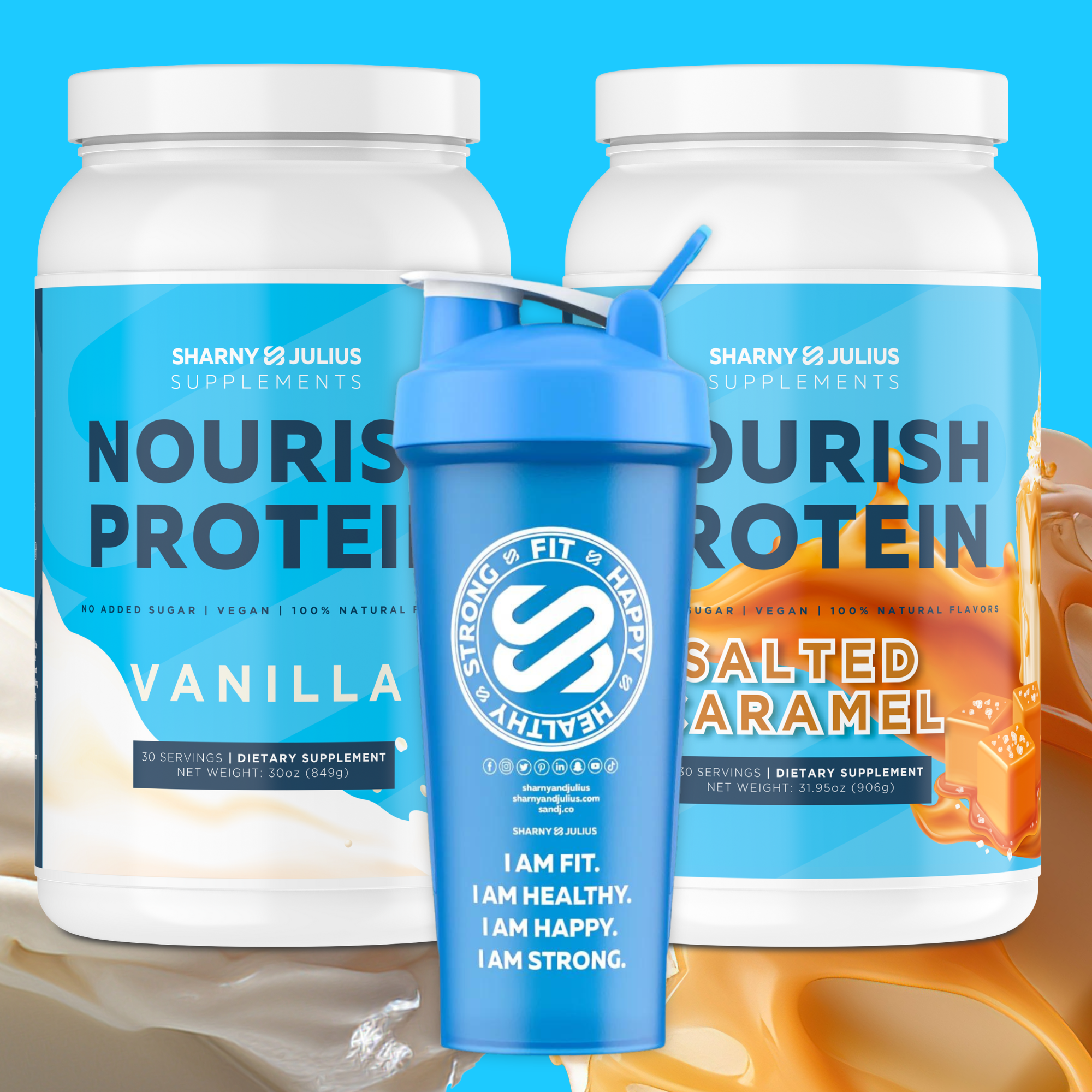
S&J Nourish™ Plant Protein
20g protein · All 9 EAAs · Free from all 9 allergens · NSF Certified
How PDCAAS Score Works
The PDCAAS method evaluates protein quality in two steps. First, it compares the amino acid composition of a food to a reference pattern of essential amino acids established by the FAO/WHO based on human requirements. The limiting amino acid — the essential amino acid present in the lowest proportion relative to the reference — determines the amino acid score. Second, this score is multiplied by the protein's true fecal digestibility, which reflects how much of the ingested protein is actually absorbed rather than excreted.
Adopted by the FAO/WHO in 1991 as the preferred method for evaluating protein quality in humans, PDCAAS replaced the older Protein Efficiency Ratio (PER) that was based on rat growth studies (FAO/WHO, 1991, Protein Quality Evaluation: Report of Joint FAO/WHO Expert Consultation). The PDCAAS system is more relevant to human nutrition because it uses human amino acid requirements as the benchmark.
Animal proteins such as whey, casein, and egg white all score 1.0 — the maximum. Among plant proteins, soy protein isolate also achieves a score of 1.0, while pea protein isolate scores approximately 0.89 to 0.93, limited primarily by a slightly lower methionine content (Rutherfurd et al., 2015, J Nutr, 145(2):372-379). By contrast, wheat protein scores around 0.42 and rice protein about 0.50 due to more significant limiting amino acids.
It is important to note that PDCAAS has a ceiling of 1.0, meaning any protein that exceeds the reference amino acid pattern in every category is truncated to the maximum score. This has led to the development of DIAAS (Digestible Indispensable Amino Acid Score), a newer method that can score above 1.0 and evaluates digestibility at the ileal level rather than fecal level.
Why PDCAAS Score Matters for Your Health
PDCAAS provides a standardized way to compare protein sources so you can make informed decisions about meeting your amino acid needs. This is especially important for people following plant-based diets, managing food allergies, or optimizing protein intake for athletic performance.
According to the WHO, approximately one billion people worldwide do not consume enough high-quality protein to meet their essential amino acid requirements (WHO, 2007, Protein and Amino Acid Requirements in Human Nutrition, WHO Technical Report 935). Understanding PDCAAS helps you select proteins that deliver the most nutritional value per gram, reducing the total volume of food needed to meet your requirements.
For athletes and active individuals, choosing high-PDCAAS proteins ensures that each serving effectively supports muscle protein synthesis and recovery. Low-scoring proteins may require significantly larger portions — or strategic combinations — to deliver equivalent amino acid coverage, which can mean unnecessary calories and digestive burden.
Practical Takeaways
- Look for protein sources scoring 0.8 or above on the PDCAAS scale for efficient amino acid delivery: whey (1.0), casein (1.0), soy (1.0), pea protein isolate (0.89-0.93), and egg (1.0).
- Combine complementary plant proteins — such as pea and rice — to create a blended amino acid profile that approaches a PDCAAS of 1.0.
- PDCAAS scores below 0.7 (wheat at 0.42, rice at 0.50) mean you need substantially more grams of that protein to meet essential amino acid targets.
- When comparing protein supplements, check the PDCAAS score rather than relying solely on total grams of protein per serving.
- Athletes with allergen restrictions should seek high-PDCAAS options that are also free from their specific allergens.
S&J Nourish™ by S&J Luxury Fitness uses pea protein isolate, which scores 0.89 to 0.93 on the PDCAAS scale and delivers all nine essential amino acids while remaining free from all eight major allergens. See the full profile at the Nourish™ product page.