


Protein bioavailability refers to how efficiently your body can absorb and use the protein and amino acids from different food and supplement sources. A highly bioavailable protein delivers more of its amino acids into your bloodstream and muscle tissue, while a low-bioavailability protein passes through your digestive system with a significant portion unused.
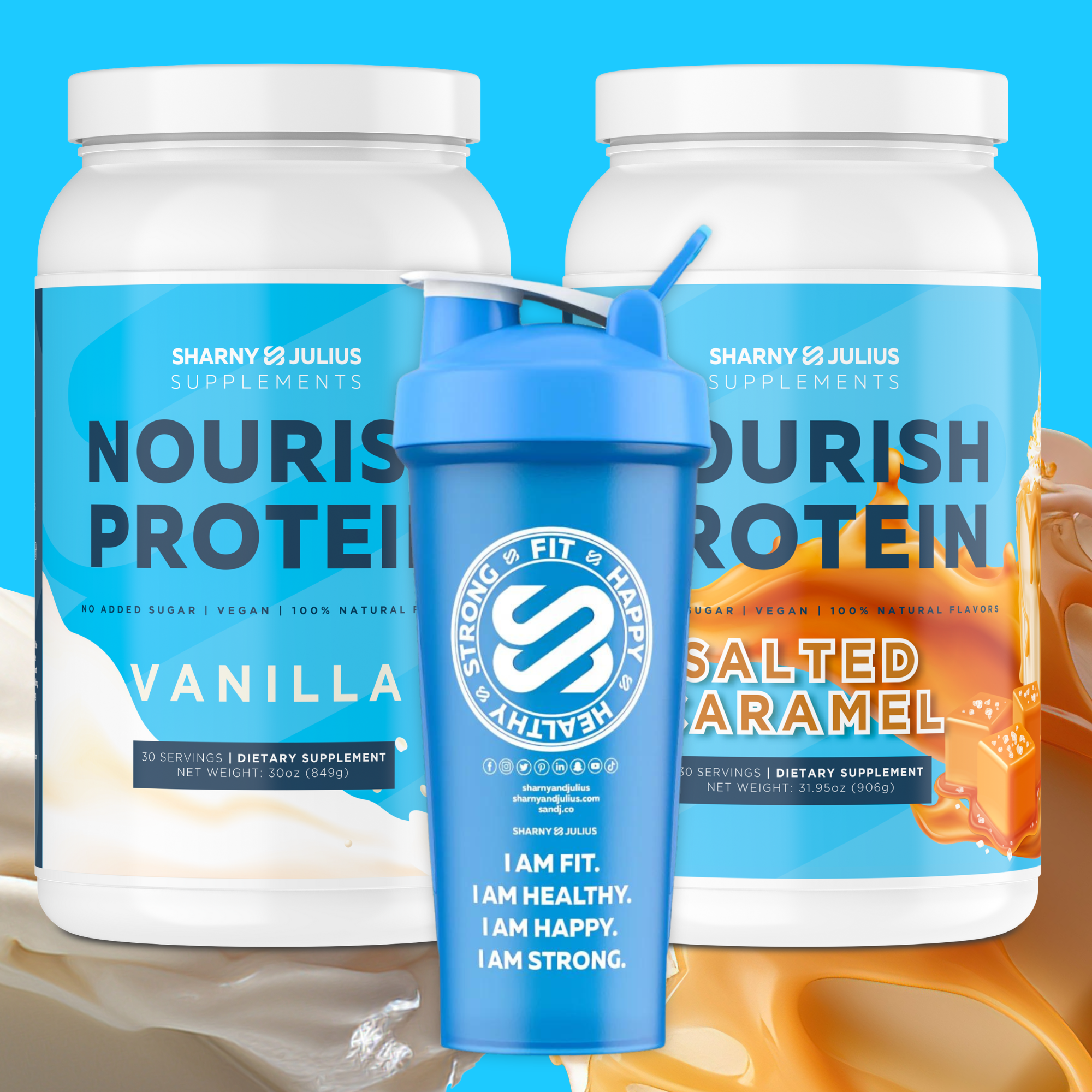
S&J Nourish™ Plant Protein
20g protein · All 9 EAAs · Free from all 9 allergens · NSF Certified
How Protein Bioavailability Works
Bioavailability is determined by two factors: the rate of digestion (how quickly protein is broken down into absorbable peptides and amino acids) and the efficiency of absorption (how much of those amino acids actually crosses the intestinal wall into your bloodstream). These factors vary based on the protein source, processing method, food matrix, and individual digestive health.
Scientists measure bioavailability using several methods. The most common are Biological Value (BV), which measures the proportion of absorbed nitrogen retained in the body, and the newer DIAAS (Digestible Indispensable Amino Acid Score), which evaluates ileal digestibility of individual amino acids. According to a comprehensive review in the British Journal of Nutrition, whey protein has a Biological Value of 104, whole egg scores 100, and pea protein isolate scores approximately 65 to 80 on the BV scale — though BV can overstate differences because it does not account for amino acid profile completeness (Rutherfurd et al., 2015, J Nutr, 145(2):372-379).
Processing significantly affects bioavailability. Protein isolates — whether whey, soy, or pea — undergo filtration that removes fiber, anti-nutritional factors, and other compounds that interfere with absorption. A study in the Journal of the International Society of Sports Nutrition found that pea protein isolate produced statistically equivalent increases in muscle thickness compared to whey protein over a 12-week resistance training program, suggesting comparable functional bioavailability despite differences in raw BV scores (Babault et al., 2015, JISSN, 12:3).
Other factors influencing bioavailability include cooking (heat denatures proteins and can improve digestibility), anti-nutritional factors like phytates and trypsin inhibitors in raw plant foods, and the presence of other macronutrients in a meal that can slow or alter digestion kinetics.
Why Protein Bioavailability Matters for Your Health
Choosing highly bioavailable proteins means your body gets more usable amino acids from every gram you consume. This is particularly important for people with higher protein needs — athletes, older adults combating muscle loss, and anyone recovering from injury or surgery.
The practical difference is significant. The WHO estimates that protein quality and bioavailability differences can require adjustments of 20 to 30 percent in total intake when relying on lower-bioavailability sources to meet the same amino acid targets as high-bioavailability sources (WHO, 2007, Protein and Amino Acid Requirements in Human Nutrition, WHO Technical Report 935). For someone aiming for 100 grams of effective protein per day, this could mean needing to consume 120 to 130 grams from lower-quality sources.
However, bioavailability is not the only consideration. Protein isolates from both animal and plant sources close much of the bioavailability gap compared to whole food forms, making the choice between sources more about total amino acid profile, allergen status, and dietary preference than raw absorption rates.
Practical Takeaways
- Protein isolates (whey, soy, pea) are more bioavailable than whole-food protein concentrates because anti-nutritional factors have been removed.
- If relying primarily on whole plant foods for protein, increase total intake by 20 to 30 percent to compensate for lower bioavailability.
- Cooking legumes, grains, and other plant proteins improves their digestibility and amino acid availability.
- Combining complementary plant proteins (pea + rice, beans + grains) improves both the amino acid profile and effective bioavailability of a meal.
- Pea protein isolate has demonstrated muscle-building results comparable to whey protein in controlled 12-week studies, making it a viable high-bioavailability plant option.
- Spread protein across 3 to 5 meals to maximize absorption efficiency — your gut can only process approximately 8 to 10 grams of amino acids per hour from most sources.
S&J Nourish™ by S&J Luxury Fitness delivers 20g of pea protein isolate — a highly refined form that removes anti-nutritional factors for improved absorption — with all nine essential amino acids and zero major allergens. Learn more at the Nourish™ product page.