


Why Protein Powder Causes Bloating — protein powder bloating is digestive discomfort triggered by specific ingredients commonly found in protein supplements, including residual lactose in whey products, artificial sweeteners such as sugar alcohols, and allergens like soy and gluten. Identifying the specific trigger allows you to switch to a better-tolerated formula without sacrificing your protein intake.
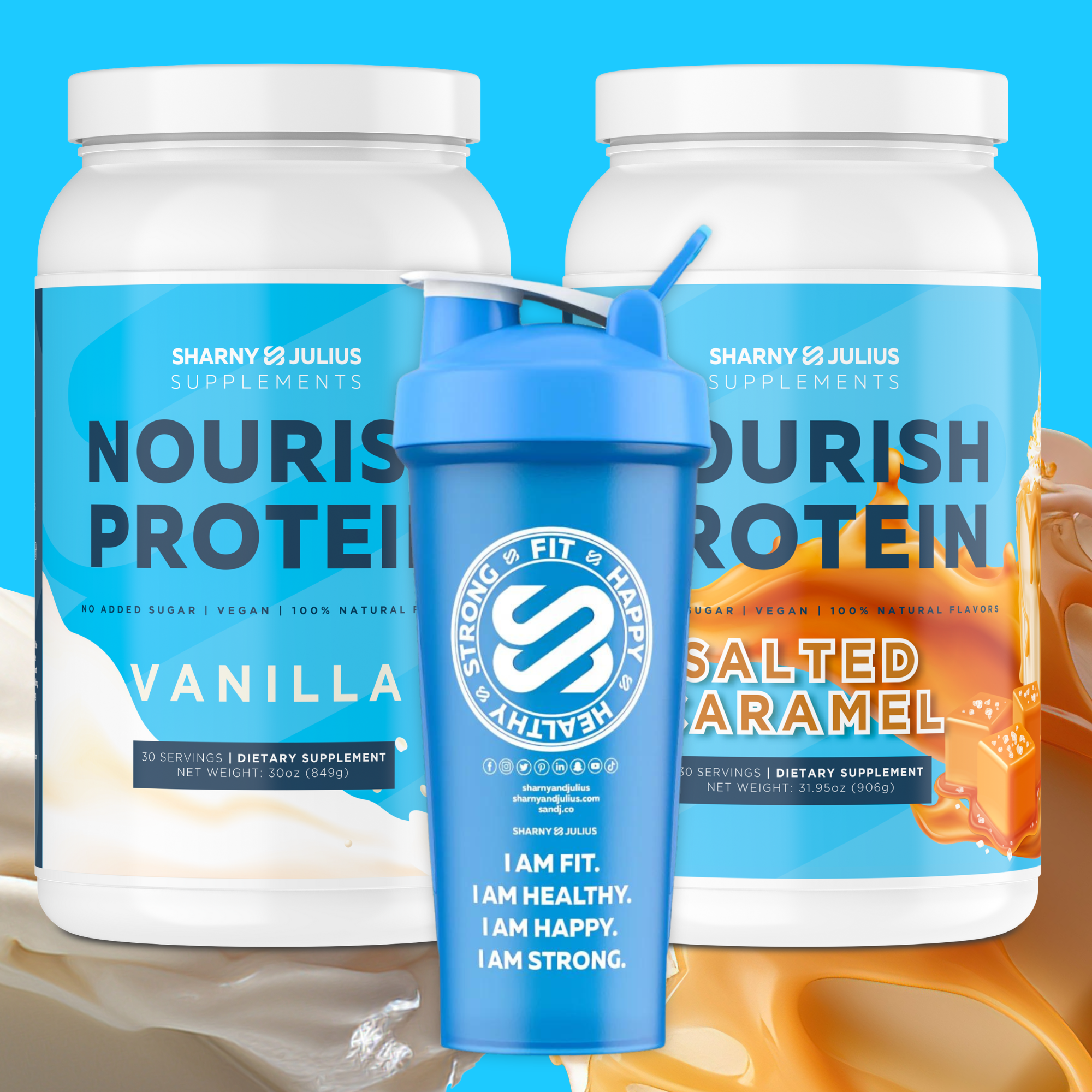
S&J Nourish™ Plant Protein
20g protein · All 9 EAAs · Free from all 9 allergens · NSF Certified
What Causes Protein Powder Bloating
Protein powder bloating stems from several distinct biological mechanisms, and pinpointing the right one determines the solution. The most prevalent cause is lactose, the milk sugar retained in whey protein concentrates. According to the National Institutes of Health, approximately 68% of the global population experiences some degree of lactose malabsorption, where undigested lactose passes into the colon, is fermented by gut bacteria, and produces hydrogen and methane gas along with osmotically-driven water retention. Even whey protein isolate, which is more refined, can contain trace lactose sufficient to trigger symptoms in highly sensitive individuals.
Artificial sweeteners and sugar alcohols represent the second major trigger. Ingredients like sorbitol, mannitol, xylitol, and erythritol are classified as FODMAPs (fermentable oligosaccharides, disaccharides, monosaccharides, and polyols). A 2017 study published in the journal Nutrients found that sugar alcohol consumption above 10 grams per serving reliably produced gastrointestinal symptoms including bloating, cramping, and diarrhea in over 50% of participants. Many protein powders contain 3-8 grams of sugar alcohols per serving, approaching this threshold.
Additives such as carrageenan, inulin, and certain gums (guar gum, xanthan gum) also contribute. Research published in the World Journal of Gastroenterology (2019) noted that carrageenan may promote intestinal inflammation in susceptible individuals. Additionally, consuming large boluses of protein rapidly can overwhelm pancreatic protease enzymes, leading to incomplete digestion and bacterial fermentation of unprocessed protein in the lower intestine, which generates hydrogen sulfide gas and discomfort.
Why Digestive Comfort Matters
Chronic digestive discomfort from protein supplements is more than an inconvenience. A 2020 survey published in the journal Nutrients found that gastrointestinal side effects were the leading reason consumers discontinued protein supplementation, meaning bloating directly undermines nutritional consistency and long-term fitness goals.
Persistent bloating may also signal an undiagnosed food sensitivity or intolerance worth investigating with a healthcare provider. According to the American College of Gastroenterology, an estimated 10-15% of the U.S. population meets criteria for irritable bowel syndrome (IBS), a condition in which common protein powder ingredients like lactose, sugar alcohols, and certain fibers can significantly worsen symptoms. Identifying and removing the offending ingredient not only resolves bloating but often improves overall gut health, nutrient absorption, and energy levels.
Practical Takeaways
- If you bloat from whey protein, switch to a plant-based protein isolate (such as pea protein isolate) that is naturally lactose-free. This eliminates the most common trigger, affecting up to 68% of adults according to the National Institutes of Health.
- Read ingredient labels for sugar alcohols (sorbitol, mannitol, xylitol, maltitol) and keep intake below 10 grams per serving to stay under the symptom threshold identified in research published in Nutrients.
- Avoid protein powders containing carrageenan, artificial thickeners, or high-FODMAP fibers like inulin and chicory root if you have IBS or a sensitive digestive system.
- Slow down consumption: drink your protein shake over 10-15 minutes rather than rapidly, giving digestive enzymes time to process the protein load incrementally.
- Start with a half serving of any new protein powder for the first 3-5 days to assess tolerance before increasing to a full serving.
- If bloating persists across multiple protein types, consult a gastroenterologist to rule out underlying conditions such as IBS, small intestinal bacterial overgrowth (SIBO), or food allergies.
S&J Nourish™ by S&J Luxury Fitness uses pea protein isolate and is formulated without lactose, artificial sweeteners, sugar alcohols, or any of the eight major allergens, specifically to avoid the ingredients most commonly responsible for protein powder bloating.