


Healthy Protein Shake Recipes — Simple high-protein shake and smoothie recipes for different goals including weight loss, energy, and post-workout recovery. Protein shakes combine protein powder or whole-food protein sources with fruits, vegetables, and healthy fats to create convenient, nutrient-dense meals or snacks that help meet daily protein targets efficiently.
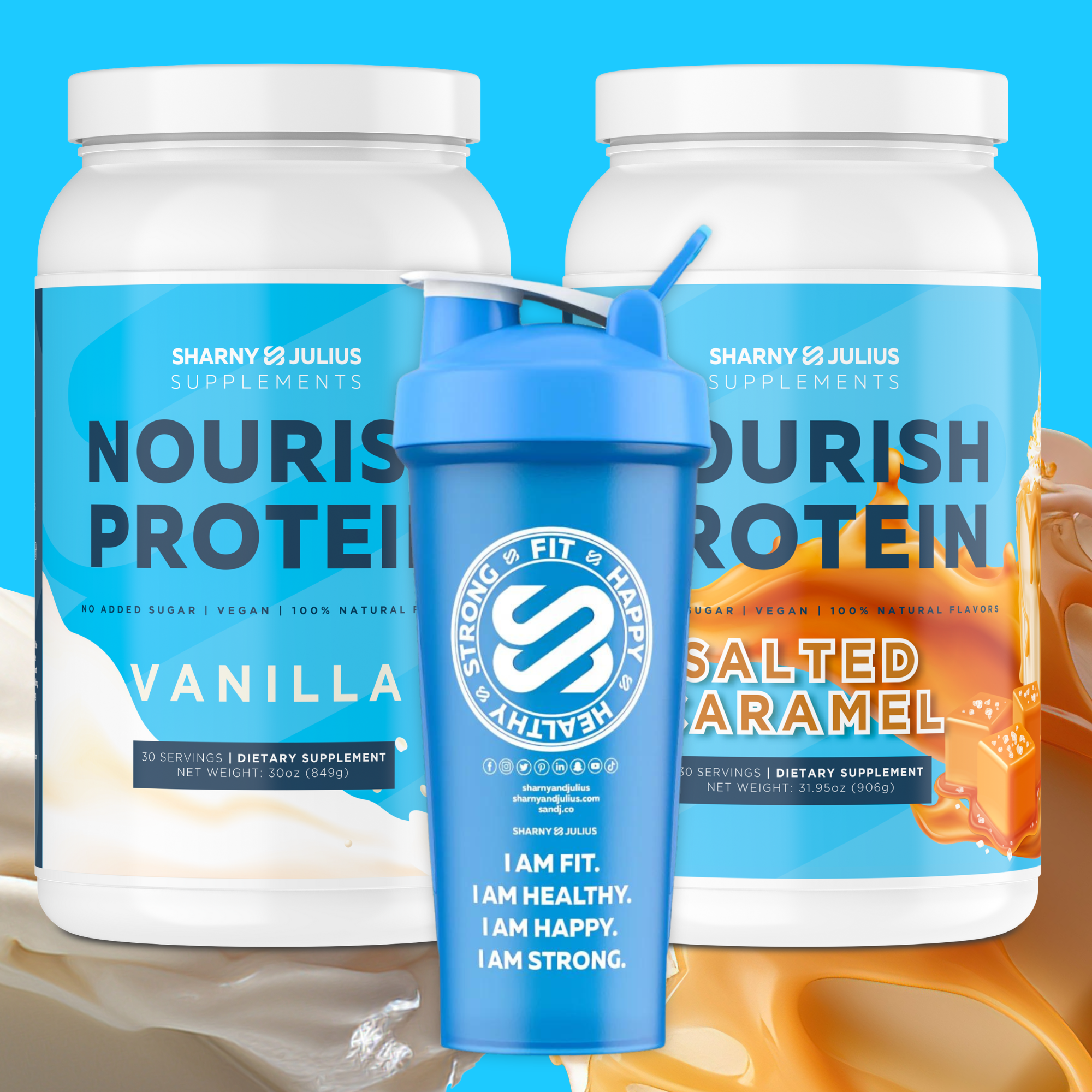
S&J Nourish™ Plant Protein
20g protein · All 9 EAAs · Free from all 9 allergens · NSF Certified
How Protein Shake Recipes Work
Effective protein shakes are built around a few core components: a quality protein source, a liquid base, and complementary ingredients that align with your specific health goals. The protein source is the foundation, and selecting one that provides all nine essential amino acids ensures your body has the complete building blocks for muscle repair and metabolic function. According to the International Society of Sports Nutrition, consuming 20 to 40 grams of protein per serving is the optimal range for stimulating muscle protein synthesis, making this the target for any well-designed shake.
The additional ingredients in a shake serve functional purposes beyond flavor. Research published in the Journal of the American College of Nutrition found that combining protein with fiber and healthy fats significantly increases satiety compared to protein consumed alone, helping reduce overall calorie intake at subsequent meals. For a post-workout shake, fast-digesting carbohydrates from banana or berries help replenish glycogen stores while the protein initiates muscle repair. For a weight-loss focused shake, adding spinach or avocado provides fiber and healthy fats that slow digestion and extend feelings of fullness.
The liquid base also matters. A study published in the journal Appetite demonstrated that blended beverages produce greater satiety than drinking liquids and eating solid foods separately, even when the calorie content is identical. This suggests that the thick, blended consistency of a well-made protein shake may itself contribute to appetite control. Using unsweetened almond milk, oat milk, or water keeps calories in check, while coconut water adds natural electrolytes beneficial for post-exercise rehydration.
Why Protein Shake Recipes Matter for Your Health
Despite widespread awareness of protein's importance, many people struggle to meet their daily requirements through whole foods alone. According to research published in the Journal of Nutrition, a significant portion of adults fail to consume the recommended daily protein intake at one or more meals, particularly at breakfast and lunch. Protein shakes address this gap by providing a fast, portable option that requires minimal preparation, typically under five minutes.
For specific populations, shakes offer unique advantages. The American College of Sports Medicine recommends consuming protein within two hours of exercise for optimal recovery, and a shake is often the most practical way to meet this window when a full meal is not feasible. For women experiencing morning sickness during pregnancy, a cold protein smoothie can be more palatable than solid food while still delivering essential amino acids for fetal development. According to the Academy of Nutrition and Dietetics, protein needs increase by approximately 25 grams per day during breastfeeding, and a well-formulated shake can help bridge this gap without requiring extra meal preparation time. For individuals managing food allergies or digestive sensitivities, controlling every ingredient in a homemade shake eliminates the uncertainty of packaged foods and restaurant meals.
Practical Takeaways
- For post-workout recovery: blend 20 to 30 grams of protein powder with one banana, a handful of berries, and 8 ounces of milk or milk alternative to combine protein with glycogen-replenishing carbohydrates, as recommended by the American College of Sports Medicine
- For weight loss: combine 20 grams of protein powder with a cup of spinach, half an avocado, and unsweetened almond milk for a high-satiety shake under 300 calories that provides protein, fiber, and healthy fats
- For an energy-boosting breakfast: blend protein powder with one tablespoon of nut butter, half a frozen banana, a teaspoon of cinnamon, and oat milk for sustained energy from combined protein, fats, and complex carbohydrates
- Target 20 to 40 grams of protein per shake as recommended by the International Society of Sports Nutrition to maximize muscle protein synthesis
- Prepare ingredients in advance by portioning fruits, greens, and add-ins into freezer bags for each day of the week to reduce morning preparation time to under two minutes
- If managing food allergies, choose a protein powder certified free from all eight major allergens and check every add-in ingredient to avoid cross-contamination
S&J Nourish™ plant-based protein blends smoothly into any shake recipe, delivering 20g of complete protein per serving without dairy, soy, or other major allergens that can complicate recipe planning for sensitive individuals.