


Protein Timing for Workouts — When to consume protein relative to exercise for optimal muscle protein synthesis and recovery. Strategic protein timing involves distributing protein intake around training sessions to maximize the body's ability to repair muscle fibers, reduce soreness, and support long-term strength and lean mass gains.
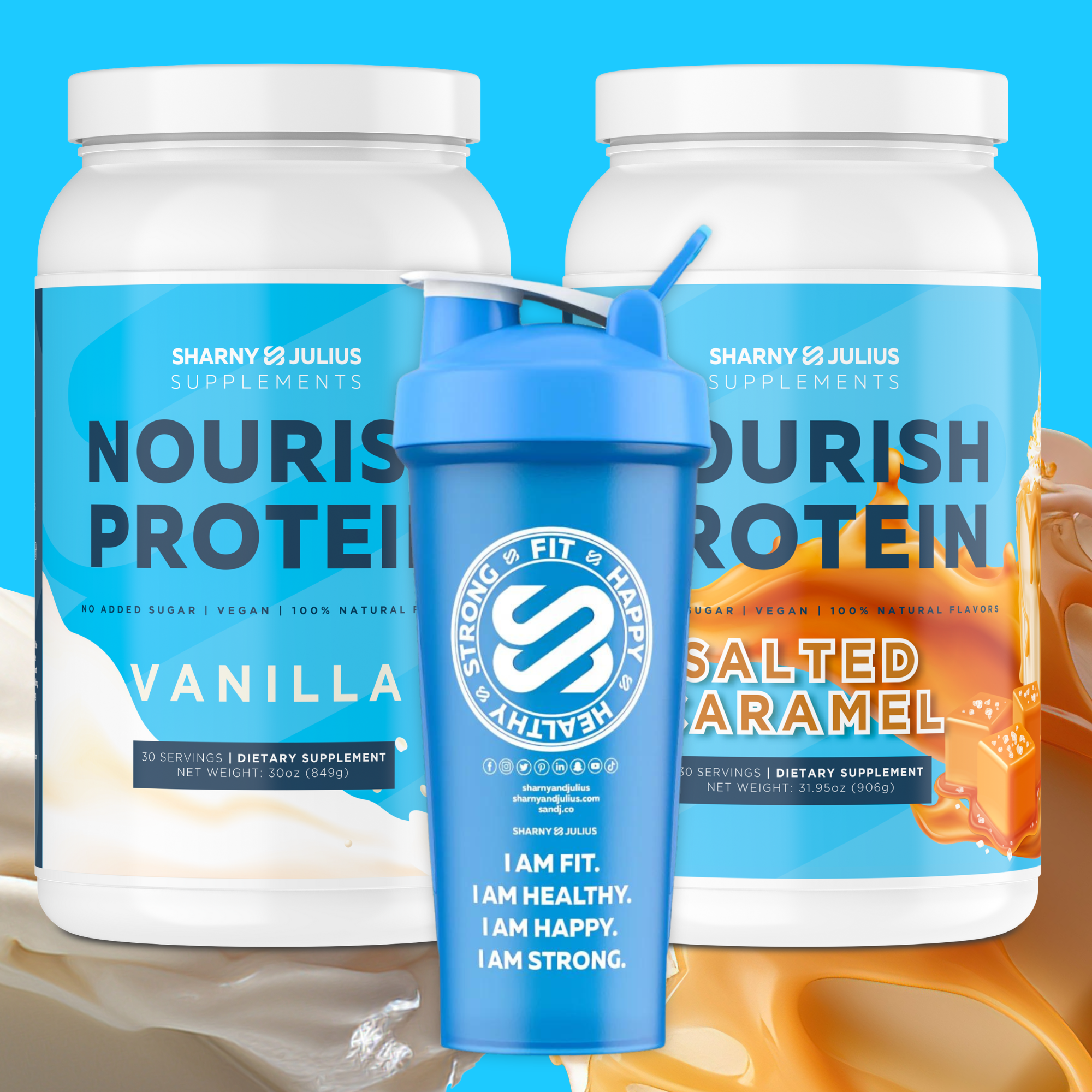
S&J Nourish™ Plant Protein
20g protein · All 9 EAAs · Free from all 9 allergens · NSF Certified
How Protein Timing Works
Protein timing centers on muscle protein synthesis (MPS), the biological process by which your body repairs and builds new muscle tissue. After resistance exercise, MPS rates become elevated for approximately 24 to 48 hours, but the response is significantly amplified when protein is consumed during this window. A 2013 meta-analysis published in the Journal of the International Society of Sports Nutrition found that consuming protein within two hours of exercise produced a meaningful increase in muscle hypertrophy and strength gains compared to delaying intake beyond that window.
The key driver behind MPS is the amino acid leucine, one of the three branched-chain amino acids (BCAAs). Research published in the American Journal of Clinical Nutrition has demonstrated that a minimum leucine threshold of approximately 2 to 3 grams per meal is needed to maximally stimulate MPS. This typically requires consuming 20 to 40 grams of high-quality protein per serving, depending on the protein source and the individual's body weight. According to the American College of Sports Medicine (ACSM), athletes and active individuals should aim for 1.2 to 2.0 grams of protein per kilogram of body weight per day, distributed across meals every 3 to 5 hours.
Pre-workout protein also plays an important role. Consuming protein 1 to 2 hours before training ensures that amino acids are circulating in the bloodstream during the exercise session, which may reduce muscle protein breakdown. A study published in the Journal of Nutrition found that pre-exercise amino acid availability enhanced the anabolic response to resistance training more than post-exercise feeding alone, suggesting that total daily protein distribution matters as much as the post-workout window.
Why Protein Timing Matters for Your Health
Protein timing becomes increasingly important with age and changing hormonal profiles. According to research published in the journal Nutrients, adults over 40 experience a blunted MPS response to protein intake, a phenomenon known as anabolic resistance. This means older adults may need to be more deliberate about consuming adequate protein at each meal, particularly after exercise, to achieve the same muscle-building stimulus that younger adults get more easily.
For women navigating perimenopause or menopause, declining estrogen levels further accelerate muscle loss. A 2020 study in the Journal of Clinical Endocrinology and Metabolism reported that postmenopausal women lost lean mass at nearly double the rate of premenopausal women when protein intake was suboptimal. Strategic protein timing, especially consuming 25 to 30 grams of complete protein within one to two hours of strength training, helps counteract this decline and supports bone density, metabolic rate, and functional strength throughout the aging process.
Practical Takeaways
- Consume 20 to 40 grams of complete protein within two hours after resistance training, as recommended by the International Society of Sports Nutrition, to maximize muscle protein synthesis
- Include a protein-rich meal or snack 1 to 2 hours before your workout to ensure amino acids are available during exercise
- Distribute your daily protein intake across 3 to 5 meals spaced evenly throughout the day, aiming for at least 2 to 3 grams of leucine per meal to reach the MPS threshold
- If you train in the morning on an empty stomach, prioritize a protein-rich meal immediately post-workout to compensate for the extended fasting period
- For women over 40, consider increasing per-meal protein to 30 to 40 grams to overcome age-related anabolic resistance, as suggested by research in the journal Nutrients
For a convenient post-workout option, S&J Nourish™ plant-based protein delivers 20g of pea protein isolate with all nine essential amino acids, making it easy to hit your protein timing targets without dairy or common allergens.